
 CALL:
CALL: 
You have no items in your shopping cart.
Comparing Different Types Of Wood Restaurant Chairs
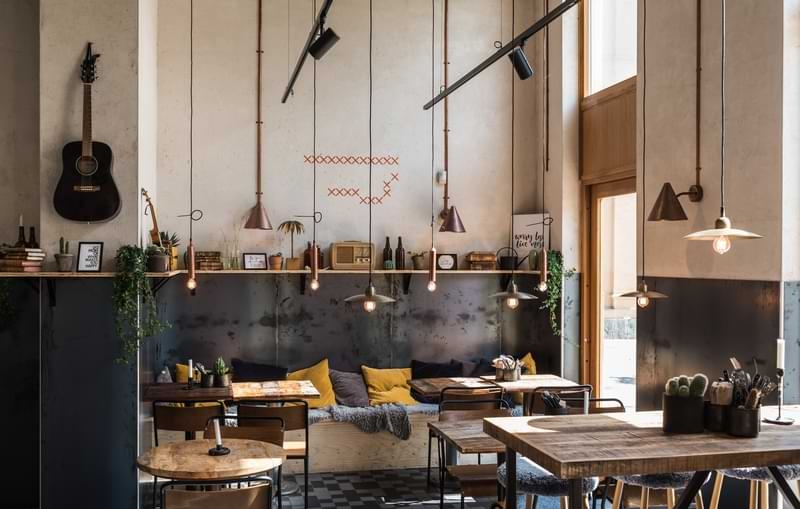
Choosing the right seating can transform a restaurant’s atmosphere, comfort, and longevity. When selecting from different types of wood chairs, it’s important to balance durability, design, and maintenance needs. Wood remains a timeless favorite in hospitality spaces because of its natural warmth, variety of finishes, and long-term resilience.
Hardwood vs. Softwood Chairs
The first decision many restaurant owners face is between hardwood and softwood. Hardwood restaurant chairs, such as those made from oak, beech, or maple, are exceptionally strong and can handle heavy daily use in busy dining areas. Their dense structure resists scratches and dents, making them ideal for high-traffic settings.
Softwoods like pine and cedar, on the other hand, are lighter and easier to move. They create a relaxed, rustic look that suits casual eateries, cafes, or outdoor patios. While softwoods are typically more affordable, they may require more maintenance over time due to their softer surface.
Popular Wood Types for Restaurant Chairs
Oak
Oak is one of the most common woods for commercial seating. It’s valued for its strength and attractive grain pattern. Oak chairs can fit seamlessly into both modern and traditional interiors. Their natural texture can be enhanced with stains or clear finishes that highlight the grain’s rich character.
Beech
Beech is a reliable choice for restaurants seeking durability at a reasonable price. It’s slightly lighter in tone and can be easily shaped, making it popular for curved or contemporary chair designs. Because of its smooth surface, beech pairs well with various stains and allows flexibility for matching existing decor.
Maple
Maple wood is dense and resistant to wear. This makes it well-suited for restaurants that experience constant use. It has a uniform, fine grain that gives a polished appearance. Maple chairs often feature sleek finishes and are known for maintaining their shape and structure over many years.
Walnut
Walnut adds a sense of sophistication to any dining space. Its deep brown color and elegant grain make it a favorite for upscale restaurants and lounges. While slightly more expensive, walnut chairs bring a luxurious aesthetic that enhances overall ambiance.
Ash
Ash combines the strength of hardwood with an appealing light tone. It’s ideal for bright, contemporary settings and can take stains or colored finishes beautifully. Many designers choose ash for its ability to balance durability and refined style.
Finishes and Maintenance
Finishes play an important role in protecting wooden chairs from wear and tear. A clear lacquer or matte sealant helps maintain the natural look while shielding against moisture, spills, and frequent cleaning. Restaurants with outdoor seating should choose treated wood or protective coatings that withstand humidity and sunlight.
Regular maintenance keeps wood chairs looking new longer. Wiping spills quickly, polishing occasionally, and checking for loose joints can significantly extend their lifespan.
Choosing the Right Type for Your Space
When comparing types of wood chairs, think about how they align with your restaurant’s design and daily use. Hardwood chairs excel in durability and longevity. On the other hand, softwoods bring warmth and versatility at a lighter weight.
Lighter finishes work well in airy, modern interiors, while darker woods create cozy, refined dining environments. Each wood type has distinct qualities, so the right choice depends on your restaurant’s theme and traffic volume.
Shop Quality Wood Chairs at RestaurantPatioFurniture.com
At RestaurantPatioFurniture.com, our collection includes a wide range of wood restaurant chairs crafted for commercial durability and visual appeal. We stay aligned with market trends, keeping our inventory stocked with the latest designs at competitive prices.
Explore our selection today to find the perfect balance of strength, comfort, and style. Visit RestaurantPatioFurniture.com to browse our in-stock wood chairs — ready to ship and built to last