
 CALL:
CALL: 
You have no items in your shopping cart.
Restaurant Furniture in Georgia: Quick Delivery, Nationwide Service
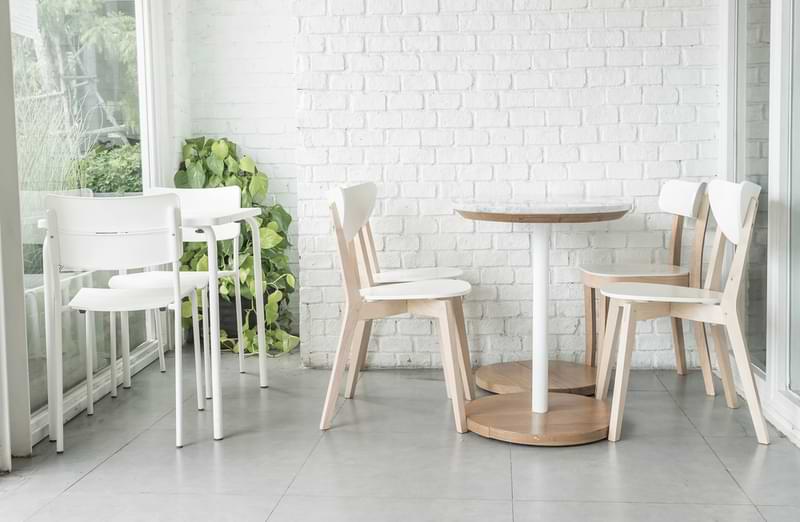
When designing or updating a restaurant, every detail matters, and seating plays a pivotal role in shaping your customers’ dining experience. Restaurant seats must be comfortable, durable, and aesthetically pleasing, while also complementing your overall décor. Two common materials for restaurant seating are solid wood and veneer wood, each with unique benefits and considerations.
Understanding the differences between them can help restaurant owners make informed purchasing decisions for their space.
Why Choosing the Right Material Matters
Restaurant seating is subject to heavy use, constant cleaning, and, in some cases, exposure to sunlight or moisture. Selecting the right material ensures:
Durability: Seats must withstand daily wear and tear without cracking, warping, or breaking.
Customer Comfort: Proper support and cushioning improve the dining experience and encourage repeat visits.
Aesthetic Consistency: Seating should align with your restaurant’s theme, whether modern, rustic, or upscale.
Cost-Effectiveness: Balancing quality and price ensures long-term value for your investment.
By weighing these factors, restaurant owners can choose seats that are both functional and visually appealing.
Solid Wood Seats: Strength and Timeless Appeal
Solid wood seats are crafted from natural, single pieces of hardwood such as oak, maple, or cherry. They are known for their durability, classic appeal, and ability to be refinished or repaired if needed.
Advantages of Solid Wood Seats
Durability: Solid wood is strong and resistant to bending, making it suitable for high-traffic dining areas.
Long Lifespan: With proper care, solid wood seats can last for decades, providing excellent long-term value.
Customizable Finish: Solid wood can be stained, painted, or varnished to match your restaurant’s décor.
Repairable: Minor scratches, dents, or wear can be sanded and refinished, restoring the seat’s original look.
Considerations for Solid Wood Seats
Cost: Solid wood seating is generally more expensive than veneer wood due to material and craftsmanship.
Weight: Heavier than veneer wood, solid wood seats may require more effort to move and clean around.
Moisture Sensitivity: Solid wood can warp or crack if exposed to high humidity or water, making it essential to select treated or finished options for areas prone to spills.
Solid wood seats are ideal for restaurants prioritizing a classic, upscale appearance, or venues seeking long-lasting seating with minimal replacement costs.
Veneer Wood Seats: Affordable Elegance with a Natural Finish
Veneer wood seats feature a thin layer of real wood applied over a durable core, such as plywood or MDF. This allows furniture makers to achieve the look of solid wood while reducing costs and weight. Veneer wood is a popular option for restaurants seeking a balance between style and affordability.
Advantages of Veneer Wood Seats
Affordability: Veneer seats offer the rich appearance of solid wood at a lower price.
Lightweight: Easier to move, rearrange, and clean around, which is especially useful for dynamic dining layouts.
Consistent Aesthetics: Veneer provides a smooth, uniform surface without knots or grain irregularities.
Eco-Friendly Use of Materials: Veneering maximizes natural wood use, reducing waste.
Considerations for Veneer Wood Seats
Limited Refinishability: Deep scratches or damage may expose the core material, making repair difficult.
Slightly Shorter Lifespan: Veneered surfaces may show wear sooner than solid wood under heavy use.
Heat and Moisture Sensitivity: Prolonged exposure to water or heat can cause peeling if not properly sealed.
Veneer wood seats are a practical choice for casual dining restaurants, cafés, or venues that want the look of natural wood while maintaining cost efficiency.
Making the Right Choice for Your Restaurant
Choosing between solid wood and veneer wood seats depends on your restaurant’s needs, style, and budget. Consider the following factors:
Restaurant Style: Solid wood suits traditional, rustic, or upscale settings; veneer wood works well for modern or minimalist settings.
Usage Level: Heavy-use environments benefit from solid wood durability, while moderate-use areas may find veneer wood sufficient.
Budget Constraints: For large-scale seating arrangements, veneer wood offers cost-effective options without sacrificing quality.
Maintenance: Solid wood requires regular care, while veneer requires careful upkeep to prevent damage.
Many restaurants opt to mix materials, using solid wood for restaurant booths and high-traffic seating areas while incorporating veneer wood for secondary or flexible seating.
Both solid wood and veneer wood seats provide distinct advantages for restaurant owners. Solid wood seats deliver classic beauty, long-term durability, and repairable surfaces, making them ideal for establishments emphasizing longevity and sophistication. Veneer wood seats, on the other hand, offer affordability, lightweight versatility, and design flexibility, making them suitable for modern, casual, or budget-conscious restaurants.
By evaluating your restaurant’s style, traffic volume, and budget, you can select seating that enhances the dining experience, supports your operational needs, and adds to the overall ambiance. For a wide selection of commercial-grade seats in both solid wood and veneer, RestaurantPatioFurniture.com offers durable, stylish, and cost-effective options designed to meet the demands of the hospitality industry.
Investing in the right seating material ensures customer comfort, durability, and aesthetic harmony, ultimately contributing to your restaurant’s success and reputation.