
 CALL:
CALL: 
You have no items in your shopping cart.
How To Buy Restaurant Tables That Last
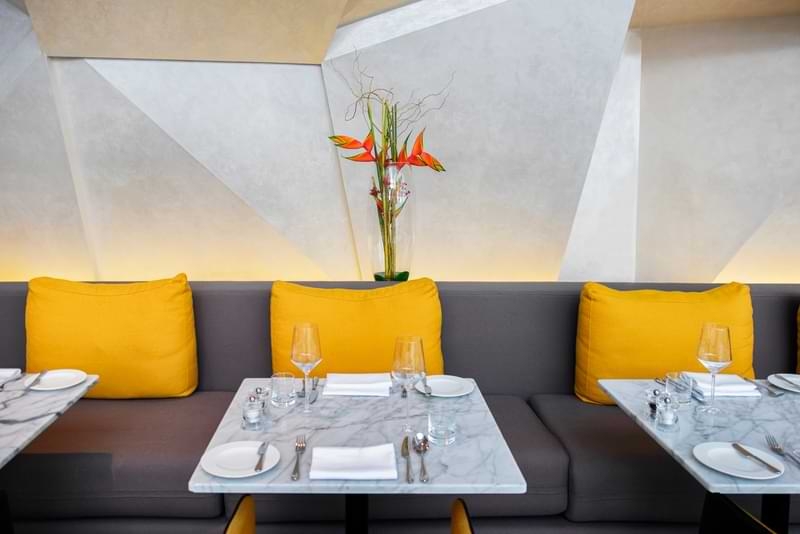
Designing a welcoming dining space starts with the right foundation. For restaurants, that means durable, stylish tables built for everyday use. When you’re in the market to buy restaurant tables, it’s imperative to think beyond appearance and focus on long-term value.
Choosing right will save you money, help you maintain your brand image, and create a reliable dining experience for guests each time they dine at your establishment.
Focus on Commercial-Grade Durability
Restaurant tables endure far more wear and tear than residential furniture. From daily cleaning to constant use during multiple shifts, the best tables are made with commercial-grade strength. Look for reinforced bases, sturdy frames, and quality joinery designed to resist wobbling over time.
Materials such as solid wood, metal, Melamine, and sintered stone all perform well in high-traffic environments. Sintered stone table tops in particular are a popular and durable choice for modern restaurant settings due to their resistance to stains, heat, and scratches. Metal bases should be powder-coated to protect against rust and corrosion, especially in outdoor settings.
Before purchasing any type of restaurant table, be sure to check the weight ratings and load capacity specifications. Tables designed for commercial use always list these details, allowing customers to compare the durability between models and make a more educated decision.
Match Style to Function and Atmosphere
The tables of a restaurant are part of what sets the tone for the overall dining experience. Choosing styles that match your brand personality helps reinforce the atmosphere you’re looking to create. For instance, a rustic wood aesthetic gives off a warm and cozy feel, making it great for café or casual bistro settings; conversely, restaurant tables with sleek metal and stone finishes suit contemporary dining rooms and bars.
The key is to seek balance between aesthetic appeal and functional design. Square or rectangular tables maximize seating efficiency in smaller dining rooms, while round tables promote community, collaboration, and social interaction, lending themselves well to open layouts. Modular table sets that can be combined or separated make it easier to modify setups, which is critical for group reservations and flexible seating arrangements.
When selecting color and finish, remember that darker tones can disguise wear over time. On the other hand, lighter surfaces often make a space feel brighter and more open. Whatever you choose, make sure it’s consistent. Consistency between restaurant tabletops and seating frames also helps the dining area appear more cohesive and helps pull everything together.
Choose the Right Tabletop Materials
Not all materials perform equally in commercial environments. The choice of tabletop affects not just appearance but also lifespan, maintenance, and resistance to damage.
Laminate Tabletops: This is a go-to for affordability and durability. Laminate tabletops are great because they resist stains, scratches, and moisture, making them ideal for casual restaurants and cafes.
Sintered Stone: Modern and durable, sintered stone is a material that resists heat, scratches, and stains, making it perfect for fast-paced, high-end dining environments that see a lot of activity.
Solid Wood: Timeless and high-end, solid wood restaurant tables are best suited for venues that prioritize craftsmanship and warmth. Keep in mind that restaurant tables made of solid wood require periodic maintenance to preserve the finish.
Resin-Coated Wood: This type of restaurant table offers the look of solid wood with superior protection against heat and spills.
Granite: If you’re looking to buy restaurant tables that prioritize both durability and visual appeal, granite is the way to go. This premium surface is ideal for a variety of fine dining spaces.
Prioritize Stability and Safety
Few details affect customer comfort more than a wobbly or uneven table. Stability is non-negotiable for any commercial dining setup.
To make sure this isn’t an issue, choose tables with heavy-duty bases that are proportionate to the size and weight of the tabletop. Larger or rectangular surfaces or T-shaped bases need to distribute weight evenly to minimize the risk of tipping over. These aren’t small considerations; they’re critical to the guests’ overall experience and to the longevity of your restaurant furniture. Prioritizing these components can dramatically extend the life of your tables by preventing unnecessary strain on joints and fasteners.
In outdoor dining spaces, additional safety measures include having rust-resistant hardware and weather-sealed finishes. Stainless steel or aluminum frames hold up well against humidity and temperature changes, maintaining structural integrity season after season.
Think About Space Planning and Table Layout
The best tables not only look great but also fit seamlessly within your dining room layout. Consider how many guests you want to seat, how well servers will be able to move between tables, and the type of atmosphere you want.
Industry standards recommend at least 18–24 inches of space between chairs for comfortable seating and smooth service flow. Smaller restaurants often benefit from square tables that can easily be rearranged during peak hours. Larger spaces may use a combination of table shapes to add visual variety while maintaining efficient traffic patterns. Pay attention to legroom and base design when planning your layout.
Also consider the energy of the space. Some restaurants, bars, and cafes are suited for high-energy environments. Hustle and bustle can add to the liveliness of the experience. On the other hand, quieter, more elegant dining venues may lend themselves to a more understated experience and may therefore require more room for servers to navigate between the tables. Every detail matters so be sure to consider it all during planning for more seamless execution.
Invest in Tables That Match Maintenance Habits
Restaurant operations demand efficiency, and maintenance plays a big role in long-term value. Tables that require specialized cleaning or frequent refinishing can slow daily operations and contribute to downtime. To combat this, it’s essential to choose surfaces that align with your team’s processes and products, as this will optimize workflow.
Laminate, resin, and composite materials, for example, generally need only mild cleaning solutions, making them practical for fast-paced environments. Natural wood or stone tops for restaurant tables, while beautiful, require routine care to retain their protective finish. When buying multiple tables for restaurants, standardizing materials simplifies maintenance and reduces the need for replacement in the future.
For restaurants with outdoor areas, prioritize tables with UV-resistant coatings. Constant exposure to sunlight can degrade lower-quality materials and lead to fading or cracking. Tables engineered for commercial outdoor use last significantly longer and maintain their appearance with minimal upkeep.
Evaluate Supplier Reliability and After-Sales Support
The longevity of your restaurant tables depends as much on supplier reliability as it does on materials and construction. When you’re looking to buy restaurant tables, look for suppliers with a strong track record in the commercial furniture industry.
A reliable vendor will stock large inventories, maintain consistent product quality, and ship orders promptly. Fast delivery allows you to stay on schedule or replace worn out pieces without downtime. When evaluating options, read product specifications carefully to confirm that weight capacity, warranty terms, and dimensions align with your expectations.
Reviewing customer feedback can also reveal insights into a supplier’s responsiveness and consistency. Businesses that respond quickly to inquiries and maintain transparent inventory updates are generally better partners for long-term sourcing.
Keep Future Flexibility in Mind
Restaurant concepts evolve and change as businesses grow. To accommodate these changes, menus, layouts, branding, and furniture choices also change accordingly. Smart investments in restaurant furniture require thinking about future adaptability.
Neutral colors and classic finishes remain versatile across design updates. Standard dimensions also make it easier to mix and match with new additions later. Durability and timeless design ultimately reduce replacement costs and preserve both your budget and your brand’s consistency.
Partner With the Right Supplier
RestaurantPatioFurniture.com knows that choosing the right tables is an investment in your restaurant’s long-term success. Our wide selection of commercial-grade tables marries durability with function, and style to support a variety of restaurant concepts and space sizes.
With a large inventory and competitive pricing, our products ship quickly, so you can furnish your dining space without delay.
When you buy restaurant tables from us, you gain access to dependable quality and lasting performance. Explore our full selection at RestaurantPatioFurniture.com and find tables built to serve your business for years to come.