
Wooden Vs. Metal Restaurant Table Tops: Pros, Cons & Best Uses
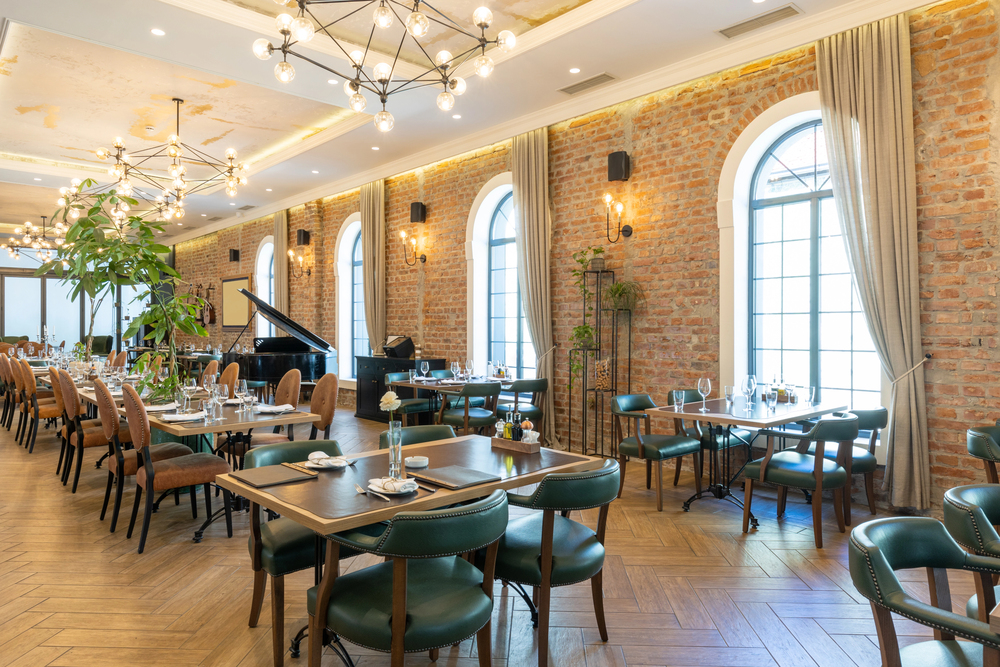
When you choose between wooden vs. metal restaurant table tops, you decide how your dining area will look and perform. Wood brings warmth and character while metal offers strength and a modern vibe.
It is important to find the right tabletops that match your style and stand up to daily use. You will learn how each material handles spills, traffic, and time so you can pick what works best for your space.
Warmth and Character of Wood
Wooden tabletops bring a warm, welcoming ambiance. Each piece has its own unique grain pattern and natural imperfections. A smooth oak or walnut surface feels comforting to the touch, and wood naturally absorbs sound, reducing the clatter of dishes and chatter.
Over time, the wood develops a beautiful patina that reflects its history. Scratches can be repaired through sanding and refinishing. Wood is ideal for casual settings like cafes, family restaurants, and farm-style environments, where comfort is key.
Strength and Sleekness of Metal
Metal tabletops are built to withstand heavy use. Steel and aluminum resist dents and maintain their shape even under pressure. They are easy to clean and won’t stain from spills. Metal surfaces reflect light and give the space a modern, open feel. They work well in industrial-themed areas and complement concrete floors and steel chairs.
In high-traffic environments like bars or fast-casual restaurants, metal maintains its sleek look even after years of use. While metal can feel cold and sharp to the touch, combining it with wood accents can soften the overall feel.
Maintenance Needs Compared
Wood requires more regular care. Spills should be wiped up immediately to avoid stains and water rings. Occasional oiling or sealing protects the surface. Small imperfections, like dents and scratches, can be buffed out. Metal is low-maintenance by comparison.
A damp cloth is usually enough to clean spills, and tough cleaners can tackle grease without causing damage. Scratches in brushed metal add to the texture, while dents may need professional attention. Both materials will last longer with consistent, simple cleaning and care.
Cost Considerations
The cost of wood tabletops depends on the species. Common hardwoods like maple and birch are more affordable. Meanwhile, exotic options like mahogany and teak are pricier but offer greater durability in high-traffic areas.
Metal tabletops typically have a smaller price range, with stainless steel falling in the midrange and aluminum being more budget-friendly. Custom shapes, whether wood or metal, increase the overall cost. When evaluating expenses, consider both the material’s longevity and the maintenance costs to determine the best long-term investment.
Style and Design Flexibility
Wood is highly versatile and can be stained in various shades or left natural. Live edges and reclaimed wood add a rustic charm. Metal, on the other hand, fits modern or industrial styles.
It can be powder-coated in vibrant colors or left in its raw, industrial state. Pairing wood tops with metal bases, or vice versa, creates a striking contrast. Over time, finishes can be updated to keep up with evolving design trends.
Temperature and Comfort
Wood feels warm under their hands and arms. It does not pull heat away from dishes, so plates stay at serving temperature longer. The metal feels cooler and can make cold drinks seem colder. In an outdoor patio, metal tables may chill uncomfortably in cool weather.
Adding wooden inlays or soft placemats brings back comfort. Think about how guests use the table through seasons and meal types when picking a surface. You might choose insulated coasters or removable wooden center sections to soften the chill. Seasonal seat cushions and throws complement metal tops and help maintain a cozy vibe during cooler months.
Environmental Impact
Wood from certified forests or reclaimed sources has a lower carbon footprint. It stores carbon even as it ages in your dining room. Metal is highly recyclable, but mining and processing metals use more energy. Choosing recycled steel or aluminum cuts that impact.
At the end of their useful life, both wood and metal can be recycled or repurposed. You can highlight these green choices to guests who care about sustainability. Lifecycle labels on tables inform diners of your commitment. Sourcing locally milled wood or regionally produced metal further shrinks transport emissions and supports local economies.
Best Uses for Wood Tops
Wood tops shine in settings where the atmosphere matters. Family-style restaurants and farm-to-table cafes benefit from wood warmth. Fine dining rooms gain a sense of tradition from polished walnut or cherry surfaces. Brunch spots use lighter wood to feel fresh and bright. Wood works well where noise reduction adds to guest comfort.
You can mix wood tables of different stains to define zones or add visual interest. Community tables built from wide planks invite sharing and conversation. Wood tops also pair well with soft lighting and textiles to craft an inviting scene that feels both lived-in and special.
Best Uses for Metal Tops
Metal tops excel in fast-paced environments. Bars and breweries handle constant spills and heavy glassware with no stain worries. Food trucks and outdoor patios use aluminum tops for weather resistance and easy cleaning.
Modern bistros bring in stainless steel to match open kitchens and stainless appliances. Metal suits pop up at events where tables must pack flat and resist damage on the move. Commercial kitchens can use stainless service tables that double as guest seating surfaces.
Combining Wood and Metal
A hybrid tabletop can give you the best of both worlds. A wood surface inset in a metal frame blends warmth with strength. Metal trim around a wood top protects edges from bumps. Underframes of metal support wide wood planks without sag.
You see these combos in contemporary casual spots that want a handcrafted yet industrial feel. They work where durability and comfort matter equally. Exposed welds or rivets add an artisanal touch while wood grains soften the look. These tables fit venues that host both quiet dinners and lively gatherings with equal ease.
Choosing between wooden vs. metal restaurant table tops means weighing warmth, comfort, upkeep, and style. Wood brings a timeless feel and ages gracefully under care. Metal offers modern strength and simple maintenance for busy spaces. You can mix both to get custom looks that last.
At RestaurantPatioFurniture.com, we carry top-quality tabletops in wood, metal, and mixed formats to match your needs. To explore options and find the right fit for your restaurant, contact us.