
Why Do Restaurants Have High-Top Tables: 7 Reasons Behind The Popular Choice
Quick Summary
High-top tables are used in restaurants for more than appearance. They help create flexible seating zones, support bar stool seating, improve space utilization, and accommodate different dining preferences. Their versatility makes them a common feature in bars, casual dining spaces, breweries, and full-service restaurants looking to maximize functionality without major layout changes.
You may have noticed that some restaurants have tall tables with high-top seating. Why do restaurants have high-top tables? From creating additional seating opportunities to helping define different sections within a restaurant, high-top tables serve multiple purposes that can benefit both guests and staff.
While traditional dining tables remain the foundation of most restaurant layouts, high-top restaurant tables have become a common addition across many hospitality concepts.
High-Top Tables Help Maximize Seating Capacity
One of the leading reasons restaurants use high-top tables is their ability to create additional seating space without significantly changing the floor plan.
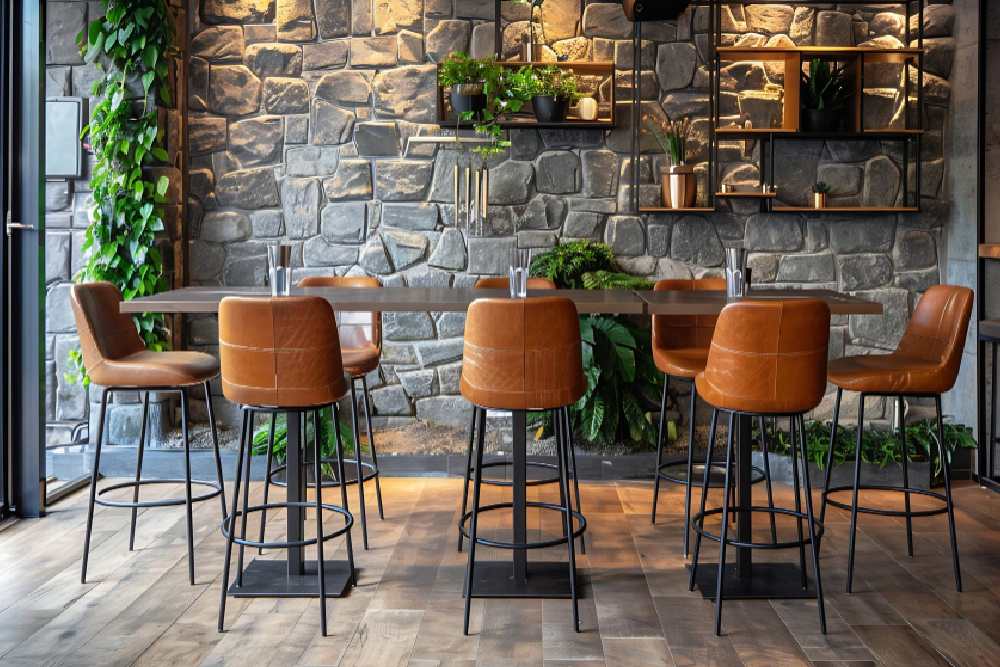
High-top tables are often paired with restaurant bar stools rather than standard dining chairs. Because stools generally occupy a smaller footprint than many traditional seating options, restaurants may be able to fit additional seating into areas that would otherwise go unused.
This approach works particularly well in:
- Bar areas
- Breweries
- Waiting areas/ Foyers
- Window seating sections
- Open corners of the dining room
Rather than leaving these spaces empty, high-top tables help convert them into productive seating zones.
They Create Distinct Dining Areas
High-top tables are often used to separate sections of a restaurant without physical walls or permanent dividers.
A restaurant may use standard-height tables in the main dining area while placing high-top seating near the bar. This creates a clear visual and functional separation while keeping an open layout.
The height difference naturally signals a shift in atmosphere. Guests often perceive high-top areas as more casual and social compared to traditional seating. It could also differentiate between eating and drinking areas. High-top tables may be used for drinks and appetizers while standard-height tables are reserved for dining.
This subtle separation can help organize larger dining rooms more effectively.
High-Top Tables Support Flexible Seating Arrangements
Restaurant traffic changes throughout the day, and seating needs shift with it. High-top tables help workers adjust more easily to those changes.
For instance, lunch service may require quick turnover, while evening service may lean toward longer social visits. High-top tables can adapt to both situations depending on placement and usage.
Some restaurants use them for fast meals and casual gatherings. Others position them near bars to handle overflow during peak hours. Flexibility also plays a major role when asking, “Why do restaurants have high-top tables?” in modern dining environments.
They Pair Well with Bar Stool Seating
High-top tables are specifically designed to work with bar-height stools, which typically feature seat heights around 28 to 30 inches. This combination creates a different seating experience than traditional dining tables paired with restaurant chairs.
Bar stools are available in a wide range of styles, including:
- Metal bar stools
- Wood bar stools
- Upholstered bar stools
- Backless models
- Stools with backs
The variety allows restaurants to align seating with their concept while maintaining consistency throughout the space. In addition, bar stools can often be repositioned more easily than chairs that take up more space, allowing for greater flexibility when layouts need adjustments.
They Improve Traffic Flow in Certain Layouts
It’s inevitable that restaurants will face challenges related to guest movement and staff circulation.
High-top tables can help address some of these issues because they are often placed in areas where standard dining setups may not function as effectively. Their smaller footprints and stool-based seating arrangements can reduce congestion to allow for better flow.
For example, high-top tables positioned near lobby areas can provide temporary seating without interfering with the main dining room. Similarly, placing them along walls or windows can create usable seating zones while preserving pathways for staff. The result is often a more organized dining environment and easier access for everyone.
They Appeal to Different Guest Experiences
Not every restaurant seating setup is designed the same way because not every establishment garners the same type of clientele.
Some places are intended to be casual and boisterous; a sports bar with TVs to watch the game draws a different crowd from a quiet, fine-dining establishment. In sports bars, people typically alternate between sitting, standing, and hovering, which makes high-top tables ideal for this setup. A high-end steakhouse, on the other hand, may primarily utilize standard-height tables in the main dining room but might reserve high-top tables and chairs for the entryway bar area where people can have a drink while waiting for their reservations.
The versatility this style of restaurant table offers is one of the main reasons it is so widely used across a variety of bars, restaurants, and different types of eateries.
They Work Well in Modern Restaurant Concepts
High-top tables are also commonly used in modern hospitality design because they fit flexible, multi-purpose layouts.
Breweries, gastropubs, sports bars, and casual dining concepts frequently incorporate high-top seating throughout the restaurant. These tables can be paired with solid wood, laminate, resin, and sintered stone tabletop materials, depending on the desired appearance and operational requirements.
Their adaptability makes them useful across a wide range of concepts without requiring extensive floor plan modifications.
Choosing the Right High-Top Table Setup
Selecting the right high-top configuration involves more than choosing a table height.
Restaurants should consider:
- Tabletop size
- Base stability
- Stool height compatibility
- Available floor space
- Guest traffic patterns
A standard bar-height table typically measures around 42 inches high and is paired with stools that provide approximately 10 to 12 inches of clearance between the seat and tabletop. Proper sizing helps create a functional seating arrangement that supports both guest comfort and operational efficiency.
Design High-Top Table Areas Around the Way Guests Gather
High-top tables work best when the entire setup is planned around how guests interact with the space. The right combination of table height, tabletop material, base style, and seating can transform underused areas into productive dining zones that support both casual gatherings and everyday service.
At restaurantpatiofurniture.com, we offer complete restaurant table solutions, including standard-height and bar-height tables, cast iron table bases, indoor table tops, and outdoor dining tables designed for commercial use. Choose from laminate, resin, solid wood, and sintered stone table tops in a variety of sizes and shapes to create high-top seating areas that fit your concept.
With a large in-stock inventory and fast shipping on many products, restaurantpatiofurniture.com helps restaurateurs build flexible dining spaces that work as hard as they do. Shop wholesale restaurant tables now.
FAQs
No. While they are commonly associated with bars, high-top tables are also used in casual restaurants, breweries, cafes, hotel lounges, foyers, and full-service dining establishments. Their flexibility allows them to serve multiple purposes throughout a restaurant.
Bar-height stools are typically used with high-top tables. Common options include metal, wood, upholstered, backless, and backed bar stools. The best choice depends on the restaurant’s layout, concept, and desired seating style.
In many situations, yes. High-top tables can help restaurants utilize smaller sections of the dining room more effectively. Their combination with bar stools often allows staff to create seating zones in areas that might not accommodate traditional dining tables and chairs as efficiently.