
How To Pair A Restaurant Booth And Table: A Guide To Successful Restaurant Seating
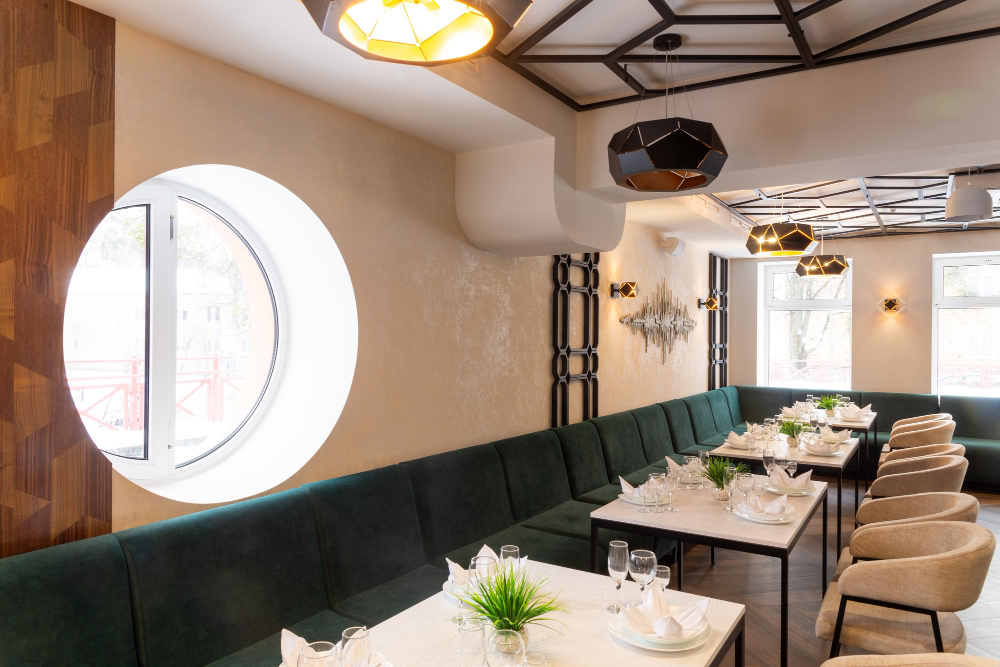
There are many factors that go into how a dining room functions in a restaurant, one of which being seating options and layout. One of the best ways to optimize operations for efficiency is to strategically combine booths and tables for optimal spacing, comfort, and overall efficiency.
When learning how to pair restaurant booth and table setups, it is important to focus on several elements: size, materials, and layout matter for the final arrangement to support both guests and staff. A well-coordinated booth and table setup creates a balanced seating experience while helping maximize available space.
Why Booth and Table Pairing Matters
Booths are designed to match specific table sizes and shapes, and mismatched combinations can result in uncomfortable seating, reduced legroom, and inefficient layouts. Proper planning keeps spacing comfortable for guests, improves the flow of service, and creates an organized, meticulous layout.
Restaurant seating is not only about appearance. It also has a huge influence on how easily guests can sit, dine, and move throughout the space, which impacts the overall experience they’ll have when dining at your establishment.
Start With Booth Dimensions
The first step in pairing booths with restaurant tables is understanding the booth size. Booth dimensions determine how much space is available for the table and how many guests can sit comfortably.
Standard commercial booth measurements for restaurants typically include:
- Seat height between 16 and 18 inches
- Booth lengths ranging from about 48 to 72 inches
- Back height that supports comfort and privacy
These dimensions help guide table selection. A table that is too large for the booth seating will feel cramped, while one that is too small may not provide enough surface area. Planning the layout around booth size first makes it easier to choose the right table proportions.
Choosing the Right Table Shape
- Rectangular Tables
Rectangular table tops are the most common choice for booth seating because they align naturally with the straight lines of booths and use space efficiently. They are often paired with single booths placed along walls or double booths arranged in rows. This creates a clean and consistent layout across the restaurant dining room.
- Square Tables
Square tables work well for smaller booths or deuce seating, offering enough surface area without taking up too much space. They are commonly used in compact layouts and two-person booth setups, where efficient use of space is important.
- Round Tables
Round tables are less common with standard booths, but can work in certain layouts, such as curved or semi-circle booth designs. They create a softer visual flow but require more space to function properly. A great option for round tables would be a corner booth seating to maximize the usable space.
Selecting Table Top Materials
The table top material should match both the booth style and the level of daily use. In commercial settings, durability and maintenance are key factors that must tie in with the design and aesthetics of the space.
- Laminate Table Tops
Laminate is widely used in restaurants because it is durable, cost-effective, and easy to clean. It performs well in high-traffic environments where tables are used constantly. Laminate table tops also come in a wide range of finishes, allowing it to match different booth styles.
- Solid Wood Table Tops
Solid wood table tops provide a more natural and refined look. Hardwood options are commonly used because they hold up well under frequent use and offer long-term value. These table tops pair well with both upholstered and wood booths, making them a versatile option for a variety of spaces.
- Sintered Stone Table Tops
Sintered stone table tops have become a popular choice for modern restaurant settings. Sintered stone is made using compressed minerals and is designed to resist heat, scratches, and moisture. They make a strong choice for restaurants looking for a durable and low-maintenance surface that maintains its appearance over time.
Matching Table Size to Booth Length
The length of the booth should guide the size of the table. A good rule is to leave enough space on both sides for guests to sit comfortably without feeling restricted.
For example:
- A 48-inch booth pairs well with a smaller rectangular table
- A 72-inch booth can support a larger table for four guests
The goal is to create balance. The table should fit within the booth footprint without extending too far beyond it.
Spacing between the table’s edge and seat back is also important. Guests should be able to slide in and out relatively easily.
Pairing Booth Styles with Table Designs
Different booth styles naturally look better with certain table designs. Coordinating these elements helps create a cohesive dining environment.
- Upholstered Booths with Modern Table Tops
Upholstered restaurant booths often go well with laminate or sintered stone table tops. These combinations deliver a clean and practical setup.
- Wood Booths with Wood or Laminate Tops
Wood booths are commonly paired with solid wood or laminate table tops to maintain a consistent appearance. This works well in restaurants with a more traditional or structured design. The goal is not necessarily to match everything exactly but to create a balanced look that feels intentional.
Balancing Comfort and Efficiency
The best booth and table combinations support both comfort and efficiency. Guests should have enough space to dine comfortably, while staff should be able to move easily between tables.
A well-planned setup helps:
- Improve table turnover
- Reduce congestion
- Create a smoother dining experience
Finding this balance is what makes a seating layout successful in a busy restaurant environment no matter how big or small the restaurant is.
Find Booth and Table Combinations That Work for Your Space
At restaurantpatiofurniture.com, we make it easier to pair booths and tables that are built for real restaurant use. Our selection includes commercial-grade booths, durable table tops, and sturdy metal table bases designed for long-term performance.
Our large in-stock inventory and competitive pricing allows you to order restaurant seating without delays or guesswork. Our quick-ship options help keep projects moving, while the wide range of styles makes it easier to create a layout that fits your space and daily service needs. Shop wholesale restaurant furniture now.