
14 Restaurant Table Cleaning Tips: Keep Your Surfaces Spotless & Hygienic
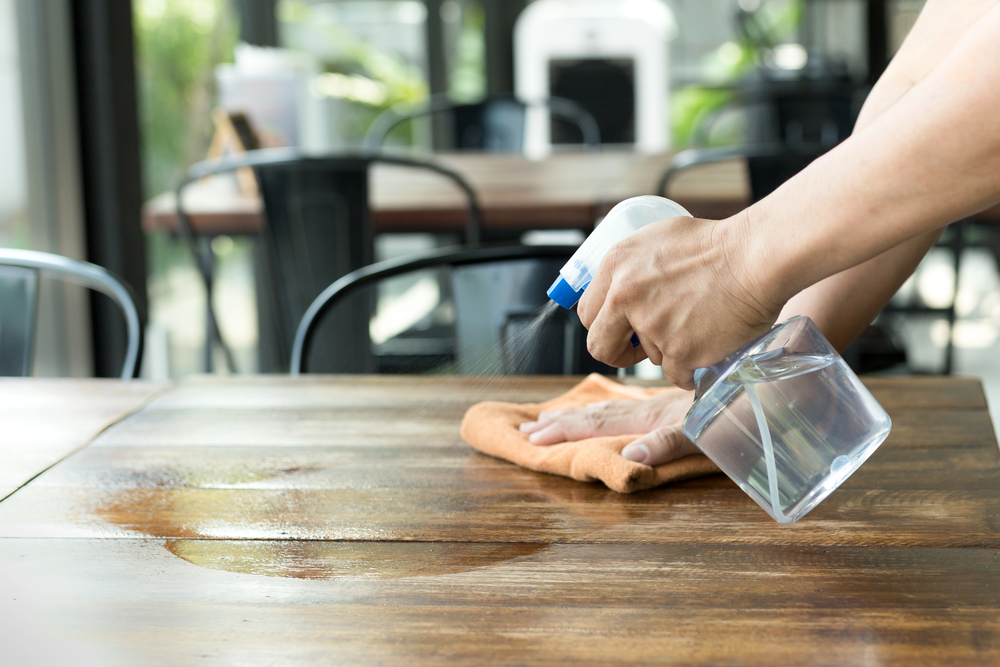
Clean tabletops create a lasting first impression for your guests. You need surfaces that are both fresh in appearance and safe to touch every time someone sits down. Seasoned hoteliers understand that a consistent restaurant table cleaning routine directly impacts guest comfort and your reputation.
Maintaining tables free of crumbs, spills, and germs requires a combination of effective habits, proper tools, and teamwork. With these small steps, you’ll achieve spotless surfaces and create a more enjoyable experience for your diners.
Plan a Daily Cleaning Routine
Begin each day by wiping down every table with mild soap and warm water. This removes any overnight dust and spills from late services. Use a soft cloth to avoid scratching the surface, and be sure to check around the edges and underneath the tabletop, as dirt often hides in corners.
A quick morning clean sets a positive tone for the day and makes your tables look inviting from the first seating. Finish with a dry microfiber cloth to remove streaks and leave a smooth finish. This simple ritual also helps you spot small issues early.
Sanitize Between Every Seating
After each party leaves, apply a food-safe sanitizer to the table. Spray the surface until it’s damp and let it sit for the recommended time on the label. This kills germs that a basic wipe might miss. Use a clean cloth each time to prevent transferring bacteria between tables.
Guests will appreciate the fresh feel, and you’ll have peace of mind knowing that you’ve minimized health risks. Make this part of your service routine to ensure every table is sanitized, even during the busiest periods.
Focus on Table Edges and Bases
Cleaning the tabletop is just part of the job. Bacteria can accumulate on the edges and bases, too. Run your cloth along the rim and legs. For wooden tables, dry these areas promptly to avoid water damage. Metal and laminate bases can withstand more moisture but still require a wipe to remove dust and spills.
Treat every part of the table as a guest touchpoint. Regular attention to these areas prevents grime buildup and helps identify issues like loose screws or cracks early.
Choose Products for Your Surface Type
Different materials require different cleaning products. For wood tabletops, use a gentle pH-neutral soap. For laminate or metal, select a streak-free spray. Always check labels to avoid harsh chemicals that can dull finishes. Choosing the right product preserves the appearance of your tables and makes future cleaning easier.
Test new products on a hidden area to make sure they don’t affect the color or texture. If needed, rotate products seasonally to adjust for temperature and humidity changes that may impact performance. Keeping track of what works best helps new staff follow consistent cleaning procedures
Train Every Team Member
A tool is only effective when used properly. Show your team the right way to clean, including how to mix the soap solution, how long to leave sanitizer on, and where to look for missed spots. Demonstrate the entire cleaning process from clearing dishes to the final wipe with a dry cloth.
When everyone on the team knows the steps, your standards stay high, even during peak hours. Hold brief weekly refreshers to help new hires learn quickly and help seasoned staff stay sharp.
Recognizing great technique motivates everyone to maintain standards. Staff who understand the cleaning process can also train others. This teamwork keeps your tables spotless and enhances the guest experience throughout their visit.
Act Fast on Fresh Spills
When liquid spills on a table, quick action can prevent stains. Use a clean towel to blot the area before wiping it with soap and water. Avoid rubbing, as this can spread the spill. Teach staff to check for drips under cups and plates before they reach the edge.
Immediate action stops sticky patches and rings from forming, which can turn into stubborn stains. Encourage your team to carry small cloths during service so they can respond quickly without keeping guests waiting. This fast reaction protects both table finishes and guest comfort.
Over time, it helps prevent aging tables and reduces the need for deep cleaning. This will save your business both time and money.
Keep Supplies Within Reach
Store cloths, sprays, and sanitizers in a caddy or a small cart by the service station. This cuts down on trips back to the storeroom. Your team can move faster and clean more often when supplies are handy. Make a habit of refilling the caddy during slow periods so you never run out at peak times.
Label each container clearly so staff grab the right cleaner every time. A well-stocked station reduces errors and keeps service flowing. It also shows guests you care about cleanliness down to the smallest detail. When supplies are easy to access, your staff is more likely to clean without delay. It keeps the flow smooth and prevents situations where messes sit for too long.
Inspect Tables for Wear
Each week, take a few minutes to look over every piece of furniture. Look for scratches, chips, or loose screws. Damage can trap dirt and germs more easily. Tighten legs and sand down rough spots on wood. A well-maintained table not only looks better but also cleans more thoroughly.
Keep a simple repair kit on hand so you can address minor damage immediately. That stops small flaws from turning into big issues. Record any repairs in a log to track recurring problems and decide when it is time for professional refurbishment or replacement.
This step can also extend the life of your furniture and reduce the cost of frequent replacements. A quick inspection can reveal issues before they affect guest experience.
Use Table Covers When Needed
Tablecloths and placemats provide an extra layer of protection for your tables. Choose fabrics that are easy to wash and dry quickly. At the end of each shift, remove and launder cloths to maintain cleanliness. Fresh linens not only enhance the look of your tables but also reduce direct contact with the surface.
Change covers when they show stains or fraying edges, and rotate patterns or colors to refresh your decor seasonally. In addition to their protective function, covers help reduce noise from dishes and create a quieter dining experience. Clean, crisp linens show your guests that you care about the details of their visit.
Pay Attention to Seating
Booths, chairs, and stools need care, too. Wipe the edges, backs, and arms with the same cleaning products you use on tables. Check upholstery for crumbs, and avoid any stickiness or dust that could make guests uncomfortable. Treat seating as part of the overall dining experience and give it the same level of care.
Each time you clean a table, glance at the seats to guarantee a coordinated, hygienic environment. Well-maintained seating not only extends its lifespan but also keeps guests comfortable throughout their visit. For shared seating, like booths, use a soft brush to clean creases without damaging the fabric. Offering clean and cozy seating reinforces your commitment to guest comfort.
Set a Deep-Clean Schedule
Once a week, plan a deeper clean. Move tables if you can and clean the floor underneath. Wipe legs, bases, and any decorative features. Apply a wood conditioner or polish on wooden surfaces to protect against moisture. A regular deep clean shines up places that daily wipes might miss. Include cleaning vents and light fixtures above tables, too. Dust from overhead can settle and dull your surfaces.
A thorough approach every week resets your space and makes daily cleaning faster and more effective. Focus on the small areas people touch often, like the underside of table edges and chair rails. These spots are easy to forget but collect grime quickly.
Use Color-Coded Cloths
Assign different colored cloths for cleaning tables, floors, and restrooms to prevent germs from moving between areas. Keep a chart in your storage area so staff know which cloth is for which task. This way, they can quickly identify if the cloth is safe for use on dining surfaces.
Wash cloths separately by color to avoid cross-contamination during laundry. Using color-coded cloths boosts confidence in both your team and your guests. Choose bold, easily recognizable colors to avoid mix-ups and replace worn clothes before they lose their effectiveness.
Monitor Performance
Have a manager or shift lead conduct random checks on tables to spot streaks, crumbs, or dull spots. Offer constructive feedback and additional coaching when necessary. Recognize staff for a job well done, and keep regular evaluations to ensure everyone stays on track. Tracking performance over time can highlight trends and areas where additional support may be needed.
Use checklists during evaluations to ensure consistency, and encourage staff to suggest improvements to routines. Recognizing collective responsibility fosters teamwork and turns cleaning into a shared achievement that everyone can take pride in.
Stay Updated on Health Guidance
Health agencies may update their recommendations. Sign up for alerts from local health departments. Adapt your cleaning steps if new advice comes out. You want to be confident that your methods meet or exceed the latest guidelines for restaurant table cleaning.
Share updates with your team in quick briefings. Update your written procedures so everyone has the current instructions at hand. That proactive approach keeps your restaurant ahead of changes and reassures guests that you take their safety seriously.
A spotless tabletop says you care about your guests. Simple steps done well every day lead to a cleaner dining room and happier customers. If you want tables and furniture that stand up to this level of care, reach out to us at RestaurantPatioFurniture.com. We offer pieces that clean up nicely and last through years of service.
Trust us to help you keep every surface looking its best. Contact us today or visit our online shop.