
16 Innovative Interior Design Ideas For Restaurants
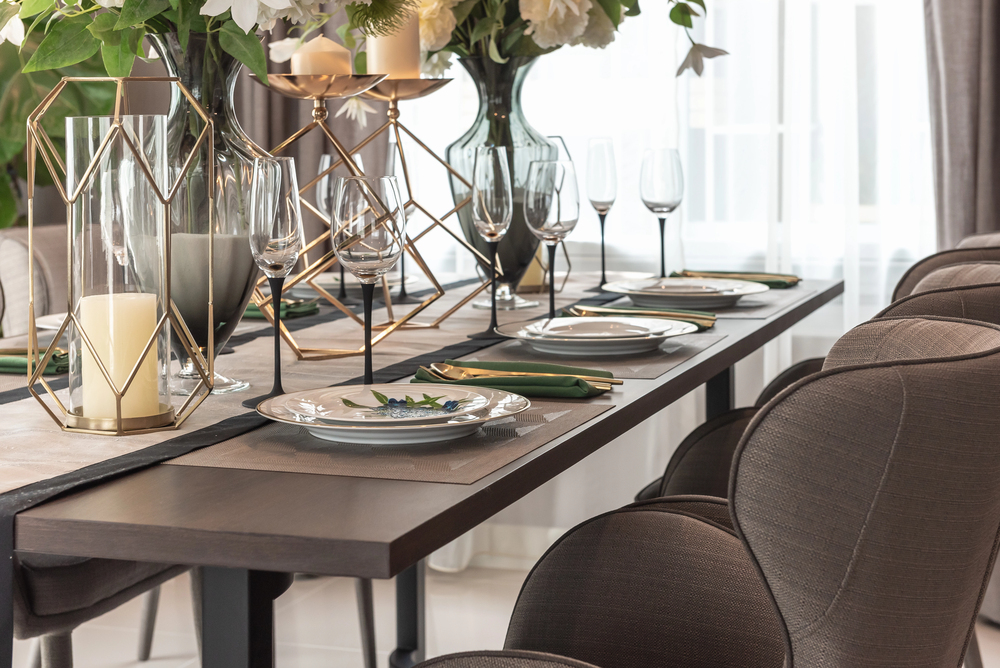
Restaurant interior design plays an important role in shaping the dining experience. Restaurant interior design ideas create an inviting atmosphere, improving guest comfort with functional layouts. If you run a casual café or an upscale dining establishment, a well-designed interior can help you attract customers and improve their overall experience.
Let us explore several innovative design ideas to help transform your restaurant space.
Open Kitchen Concepts
An open kitchen concept is one of the most innovative design ideas for restaurants. This layout allows guests to see chefs at work, adding an element of excitement to the dining experience. It creates a sense of transparency and helps build trust between your restaurant and customers.
An open kitchen also encourages a more interactive environment, as customers can watch their meals being prepared. This design works particularly well in casual dining settings, where the kitchen is the heart of the restaurant. It fosters a sense of connection between the food and the people enjoying it.
Embrace Natural Materials
Using natural materials like wood, stone, and metal can bring warmth and texture to your restaurant. Natural materials create an organic, earthy feel that makes your restaurant feel more inviting. For example, wood paneling on walls or wooden restaurant table tops can add a rustic charm, while stone elements can help balance the warmth with a cool, modern aesthetic.
When using natural materials, aim for a balance that suits your restaurant’s theme. These materials are perfect for a variety of styles, from modern industrial to rustic farmhouses, giving you flexibility in design.
Focus on Lighting
Lighting is one of the most important elements in any restaurant design. Proper lighting sets the mood, highlights key features, and makes sure that your space is both functional and aesthetically pleasing. Consider a mix of task, ambient, and accent lighting to create different atmospheres for various areas of your restaurant.
For example, you might use pendant lights above tables or bar areas, while dimmer overhead lights can offer a more intimate feel. Incorporating mood lighting or feature lights can help showcase artwork, plants, or architectural details, making your restaurant visually appealing.
Incorporate Greenery
Adding plants to your restaurant design not only enhances the aesthetics but also helps create a relaxing atmosphere. Greenery can improve air quality and add a pop of color to any space. Potted plants, hanging greenery, or indoor gardens make your restaurant feel fresher and more inviting.
Larger plants can be used to create natural partitions between seating areas, while smaller plants on restaurant tables bring a more personal touch. If your restaurant has outdoor seating, be sure to invest in durable outdoor restaurant furniture that pairs well with your plant displays.
Use Unique Furniture
Investing in unique restaurant furniture can make your space stand out. Instead of using generic tables and chairs, consider customizing your seating to fit your restaurant’s style. For example, mix and match restaurant chairs to create a dynamic, eclectic look, or opt for large booths that offer guests more privacy.
The type of furniture you choose should also match the vibe of your restaurant. For a modern, sleek look, you might choose minimalist furniture with clean lines. For a more relaxed, cozy atmosphere, go for plush seating with rich textures.
Create Zones with Different Ambiances
In larger restaurants, creating different zones within your space can enhance the dining experience. For example, you can have a quieter, more intimate area for couples, a lively space for families, and a bar area for those just stopping by for drinks. This gives every guest the experience they are looking for.
Each zone can have its own specific design elements, such as different furniture, lighting, and décor. This creates a dynamic environment and makes your restaurant feel more interesting and versatile.
Utilize Mirrors to Create Space
Mirrors can be used strategically in your restaurant to create the illusion of more space. Mirrors reflect light and make the room feel bigger, which is especially helpful in smaller or more cramped restaurants. Consider placing large mirrors on walls or using mirrored furniture to enhance the sense of openness.
Not only do mirrors help with spatial perception, but they can also be stylish design elements. Large statement mirrors in strategic locations can add a touch of elegance and sophistication to your restaurant.
Bold Color Schemes
Bold, vibrant colors can be used to create a memorable restaurant interior. Using bright colors like reds, yellows, or oranges can stimulate appetite and energy, making them perfect for dining areas. You can incorporate these colors through wall paint, seating, or accessories.
Alternatively, you can opt for more subdued tones like pastels or earth tones for a calm, relaxing environment. The key is to choose a color scheme that reflects your restaurant’s atmosphere and appeals to your target audience.
Integrate Local Art and Culture
Incorporating local art and cultural elements into your restaurant’s interior design is a great way to connect with your community. Displaying artwork, crafts, or design elements that represent the local culture can give your restaurant a unique personality and create a memorable experience for guests.
Local art can be used to decorate walls, tabletops, or even as part of the furniture. By showcasing regional talent, you not only enhance your restaurant’s design but also contribute to supporting local artists and makers.
Go Minimalist
Sometimes less is more. A minimalist design focuses on clean lines, simple décor, and functionality, creating a sleek, modern look. A minimalist design allows your food to be the star of the show, without distracting from the meal itself.
This design style works well in fine-dining restaurants or modern eateries. Using minimalist furniture, such as simple restaurant chairs and neutral-toned restaurant table tops, helps keep the focus on the dining experience, creating a calm and stylish space.
Incorporate Technology for a Modern Touch
Incorporating technology into your restaurant design can enhance customer experience and improve efficiency. Digital menus, self-ordering kiosks, and smart lighting can offer a more convenient and engaging dining experience.
Integrating tech elements does not have to detract from the ambiance. For instance, subtle tech additions like charging stations at restaurant tables or digital payment options at the counter can make your restaurant feel modern and tech-savvy.
Personalize with Signature Details
Personalized details, such as custom décor or branded elements, can help make your restaurant unique. Custom-made furniture, a signature color palette, or a unique logo design add personal touches that set your restaurant apart from the competition.
Consider using custom restaurant table tops or chairs that reflect your brand’s personality. Unique details help guests feel like they are in a one-of-a-kind space, making their experience even more memorable.
Utilize Flexible Seating Options
Flexible seating arrangements can improve your restaurant’s versatility. Depending on the type of restaurant, you might want to offer different seating options such as communal tables, booths, or lounge-style seating. This allows you to easily accommodate both small and large groups, improving overall efficiency.
Adjustable restaurant chairs or modular outdoor restaurant furniture are perfect for creating a layout that adapts to your guests’ needs. Offering a variety of seating options makes everyone, from solo diners to large groups, feel comfortable.
Emphasize Sustainability
Sustainability in interior design is becoming increasingly popular, with many restaurants opting for eco-friendly materials and energy-efficient solutions. Using recycled materials, sustainable furniture, or energy-saving lighting can help you create a stylish, environmentally conscious space.
Sustainability not only helps the environment but can also attract customers who are passionate about eco-friendly practices. Opting for sustainable furniture, such as reclaimed wood restaurant table tops or chairs made from recycled materials, can reflect your restaurant’s commitment to sustainability.
Consider the Dining Experience
Ultimately, your restaurant’s interior design should reflect and enhance the dining experience you want to offer. If you want a casual and lively environment or a quiet and intimate setting, your design should align with the food and service you offer.
Take the time to consider how your restaurant furniture, lighting, and layout contribute to the experience. A well-designed space can improve customer satisfaction and make your restaurant a place people want to return to time and time again.
Create a Sensory Experience
Designing your restaurant with a focus on the senses can enhance the overall dining experience. Think about how you can engage not just sight, but also sound, smell, and even touch. Soft background music can create an inviting atmosphere, while carefully selected scents can trigger appetite and comfort.
Textures, such as plush cushions on restaurant chairs or wooden restaurant table tops, can add a tactile element to the space. Experimenting with color, lighting, and décor that stimulates the senses will create a memorable experience for guests and encourage them to return.
At restaurantpatiofurniture.com, we understand the importance of creating a memorable dining experience through thoughtful design. If you are looking for stylish outdoor restaurant furniture or modern, durable restaurant chairs and table tops, we have a variety of options to enhance your restaurant’s interior.
By implementing these innovative restaurant interior design ideas, you will create a space that not only attracts customers but keeps them coming back.