
A Guide To Standard Patio Table Size For Restaurants
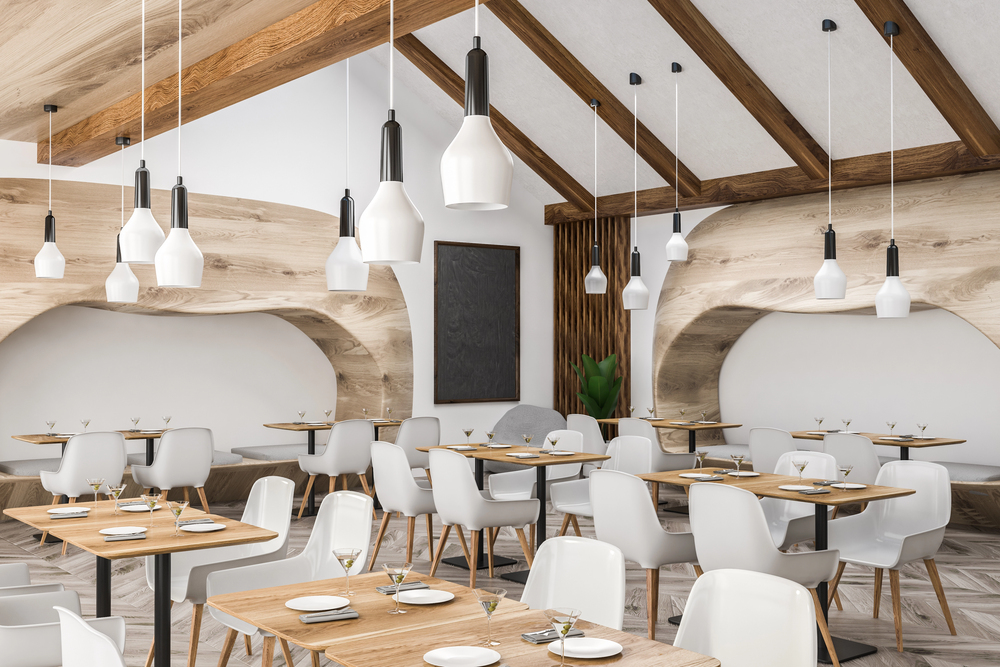
Choosing the right furniture layout is a big part of designing a successful outdoor dining area. One key factor that often gets overlooked is selecting the standard patio table size that fits both your space and your guests’ expectations.
A good fit not only supports comfort but also helps servers navigate the area more efficiently. If your goal is to create a welcoming and functional environment, knowing the right sizes can make all the difference.
Focus On Table Shapes and Seating Needs
Start with the shape. Most restaurants go with round, square, or rectangular patio tables, each serving a different purpose. Round tables are great for conversation and are often used in casual, intimate setups. Square tables work well in smaller spaces and can be grouped for larger parties.
Rectangular tables are the most space-efficient for bigger groups and are often used in formal or high-capacity settings. Each shape supports a general number of seats—round and square tables usually seat two to four people, while rectangular tables can seat six or more, depending on length.
Typical Sizes Used in Commercial Settings
Most restaurant patios follow size conventions for good reason—they work. A standard round patio table might measure 36 to 48 inches in diameter. That range comfortably fits two to four guests. For square tables, 30×30 inches is common. Meanwhile, 36×36 inches can handle slightly larger parties.
Rectangular tables tend to start at 30×48 inches for four to six people and can go up to 30×72 inches for eight. These sizes balance surface area with walking space between tables. This is highly important during busy service hours.
Consider Guest Movement and Server Access
It’s not just about how many people a table can seat. There’s also the space around each table that matters. Most layout planners leave at least 24 to 30 inches between tables. This gap allows guests and servers to move freely without bumping into chairs or squeezing through tight rows.
It also helps with compliance for accessible design, especially if your restaurant serves guests with mobility aids. Smaller tables allow for denser layouts. However, going too tight can make guests uncomfortable.
Match Table Size with Dining Style
Your menu influences your table needs more than you might expect. For example, if your restaurant serves shareable plates, larger table surfaces are a better match. Guests need space to move dishes around and use serving utensils.
On the other hand, a café that mostly serves coffee and small plates might get by with more compact tables. Think about your dishware size, portion style, and the number of courses. These small details can impact how well the table size works for your business.
Material And Frame Thickness Can Affect Sizing
Sometimes a table with the same top size can feel different because of its base. Outdoor tables often come with thick pedestals or four-leg bases that take up extra room.
For example, a 36-inch round table with a large central pedestal might limit foot space compared to one with slimmer legs. Materials also play a role. Heavier materials like cast iron or stone often require bulkier designs. That affects how close you can place chairs or how easy it is to move the tables for cleaning or rearranging.
Space Planning Tips for Outdoor Layouts
Start your layout by mapping out how many people you want to seat at peak capacity. From there, work backward. Divide the square footage of your patio by the average space each table and chair set will occupy. Most layouts allocate around 10 to 12 square feet per diner for comfort and functionality.
Add extra space for server stations, entryways, and umbrellas if needed. It’s better to slightly underfill the space than overpack it—your guests will thank you, and your staff will move more efficiently.
Weather Conditions Influence Table Size and Materials
Outdoor furniture must work well in your climate. High heat, strong sun, or frequent rain can affect both the durability and the size practicality of patio tables. For example, metal tabletops can become too hot in direct sunlight, which limits guest comfort.
In humid regions, wood or untreated metal may warp or rust over time. That’s why lighter, weather-resistant materials like aluminum or poly lumber are often used for outdoor tables. These materials also allow for thinner designs, which help maximize seating space without compromising stability.
Height Options Can Support Different Dining Styles
Standard patio table size also relates to height. The most common is dining height, around 28 to 30 inches. This suits regular meals and pairs well with standard chairs. Counter-height tables, which stand around 34 to 36 inches, support casual dining or drinks.
They add visual variety to your layout and work well along railings or walls. Bar height tables reach 40 to 42 inches and are perfect for standing guests or barstool seating. Mixing table heights can break up a space visually and help define different zones within your patio.
Umbrella Compatibility Plays a Role in Table Choice
If your outdoor area needs shade, your patio tables must work with umbrellas. That usually means choosing tabletops with a center hole and a base that allows umbrella poles to fit securely. Not all standard sizes include this feature, so it’s something to look for during planning.
Round and square tables often support umbrellas well. Larger rectangular tables may require offset bases or multiple umbrellas for even coverage. When planning your layout, think about how the umbrella setup might impact the usable space around each table.
Stackability And Storage Matter for Seasonal Use
Restaurants that switch between indoor and outdoor setups depending on the season need tables that stack or store easily. Standard sizes that fold or nest together can reduce storage space and speed up the changeover process.
For daily operations, lighter tables are easier for staff to move during cleaning or reconfigurations. Heavier options, while durable, may slow down these tasks. It’s important to balance weight with practicality when deciding on your core table sizes.
Local Regulations May Influence Table Placement
Some cities require specific spacing between tables in public dining areas or patios that border sidewalks. These rules can affect how many tables fit into your layout. Larger tables may limit capacity under these restrictions. Meanwhile, smaller ones offer more flexibility.
It’s a good idea to double-check local codes on outdoor dining before finalizing your layout. Doing so can help you avoid costly changes down the road. A well-sized patio table fits within both your design plan and legal boundaries.
How We Help You Find the Right Fit
RestaurantPatioFurniture.com knows how much detail goes into choosing the right tables. That’s why we keep a wide range of patio table sizes in stock. Our inventory covers standard round, square, and rectangular tables in commercial-grade materials that stand up to daily use. You’ll find dining height, counter height, and bar height options to match your service style.
We stay in tune with what the market wants. When new design trends emerge or customer habits shift, we move quickly to offer products that meet those needs. Our large warehouse allows us to ship orders faster than most. That means you can get your outdoor dining area ready without long delays.
Start Planning with RestaurantPatioFurniture.com
If you’re ready to upgrade your outdoor space, we’re here to help. RestaurantPatioFurniture.com makes it easy to find commercial patio tables that look good and work hard. With hundreds of sizes and styles available, you’ll find the perfect match for your layout and concept.
Ready to create a better patio experience? Contact us today and let’s get started.