
Unlocking Comfort: Choosing the Perfect Restaurant Seats
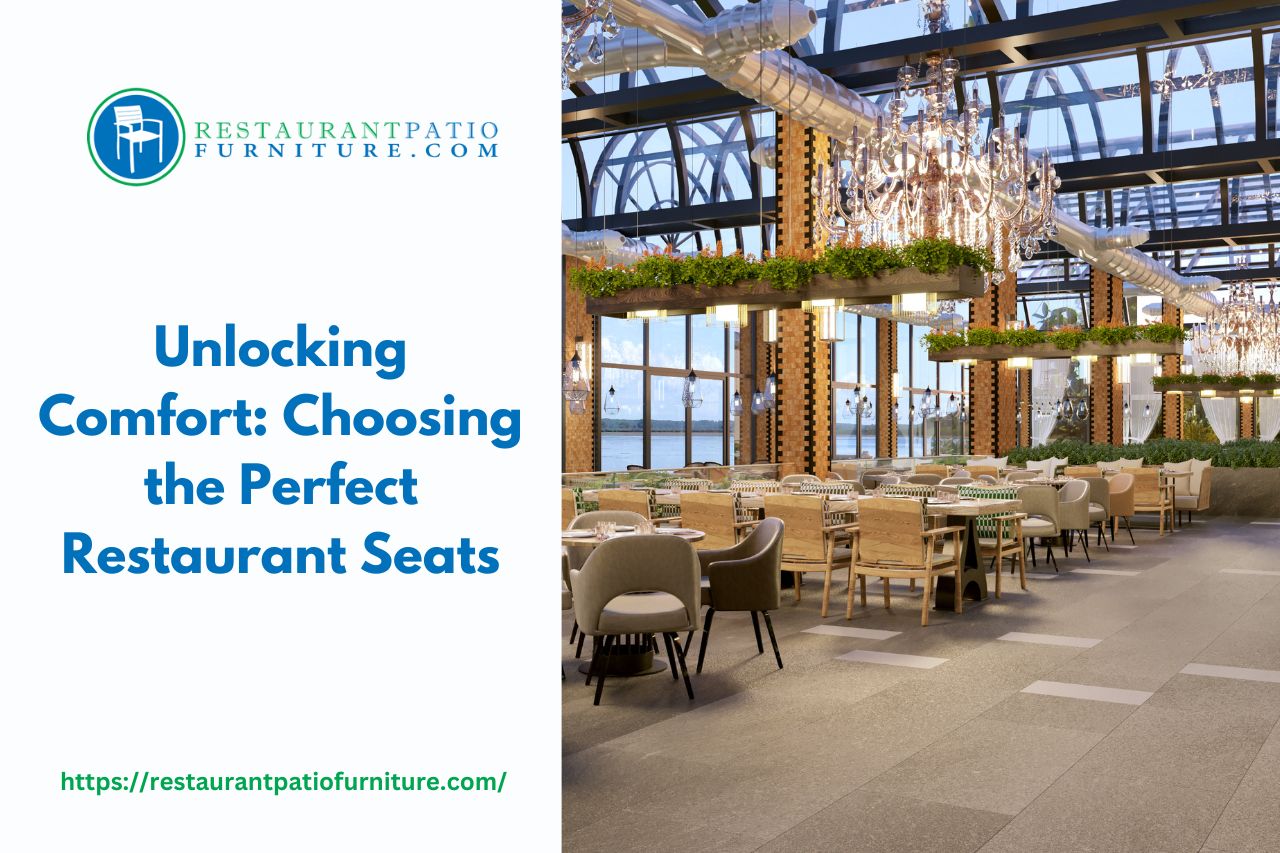
Introduction
The experience of dining out is a sensory journey that encompasses not only the flavors on your plate but also the ambiance that surrounds you. One crucial element that contributes to a delightful dining experience is the choice of restaurant seats. The perfect restaurant seat goes beyond mere aesthetics; it combines comfort, functionality, and style to enhance the overall enjoyment of your meal. In this blog post, we’ll delve into the art of selecting the ideal restaurant seats, exploring factors such as design, ergonomics, and atmosphere to ensure your next dining adventure is a truly comfortable one.
Comfort is Key
When it comes to choosing the perfect restaurant seats, comfort should be at the forefront of your considerations. After all, who wants to spend an evening in a beautifully designed space if the seating leaves you feeling uncomfortable and restless? Consider the material of the seats – whether it’s plush upholstery, ergonomic wooden chairs, or a combination of both. The padding and support provided by the seats play a crucial role in determining the level of comfort.
Additionally, the height of the chairs relative to the tables is essential. A well-designed seating arrangement ensures that diners can enjoy their meals at eye level with their plates, minimizing discomfort and allowing for a more natural dining posture. High-quality, comfortable seating not only elevates the overall dining experience but also encourages patrons to linger, fostering a relaxed and enjoyable atmosphere.
Design Harmony
While comfort is paramount, the aesthetic appeal of the restaurant seats cannot be overlooked. The design of the seats should complement the overall theme and décor of the restaurant, creating a harmonious and visually pleasing atmosphere. Consider the color scheme, materials, and style of the seats in relation to the rest of the interior design.
Modern establishments might opt for sleek, minimalist designs with clean lines and neutral colors, while more traditional venues could incorporate rich, textured fabrics and classic shapes. The goal is to create a cohesive look that enhances the overall dining experience and leaves a lasting impression on patrons.
Versatility in Seating Arrangements
The perfect restaurant doesn’t rely solely on one type of seating. Versatility in seating arrangements allows for a dynamic and adaptable dining space. A mix of booths, banquettes, and individual tables with a variety of seating heights and styles caters to different preferences and group sizes. This flexibility enables the restaurant to accommodate couples seeking an intimate dinner, families with children, or larger groups celebrating special occasions.
Innovative seating solutions, such as communal tables or cozy corner nooks, can add an element of uniqueness to the dining area. The key is to strike a balance between variety and cohesion, ensuring that the seating arrangement contributes positively to the overall ambiance.
Ergonomics for Prolonged Enjoyment
Ergonomics plays a vital role in determining the comfort level of restaurant seats, especially for those establishments that anticipate longer dining durations. Chairs and booths should provide proper lumbar support, encouraging a natural and comfortable posture that prevents fatigue. The height and depth of the seats should be carefully considered to accommodate a wide range of body types.
By prioritizing ergonomics in the design of restaurant seats, establishments can create an environment where patrons can enjoy their meals without the distraction of discomfort, ultimately leading to a more satisfying dining experience.
The Impact of Atmosphere
Beyond the physical aspects of comfort and design, the choice of restaurant seats significantly contributes to the overall atmosphere of the dining space. Seating arrangements influence the flow of the restaurant, affecting the ease with which servers can navigate the space and patrons can move around.
Consideration should also be given to the spacing between tables and the distance between seats to ensure privacy for diners while maintaining a convivial atmosphere. The acoustic properties of the seating area should be taken into account, as excessive noise can detract from the overall dining experience. By carefully curating the atmosphere through thoughtful seat selection, restaurants can create a space that encourages conversation and relaxation.
Conclusion
Choosing the perfect restaurant seats is a multifaceted task that involves a delicate balance between comfort, design, versatility, ergonomics, and atmosphere. The ideal seating arrangement enhances the overall dining experience, making patrons feel not only welcome but also well-cared-for.
As diners, our journey goes beyond the flavors on our plates; it extends to the very seats we occupy. The next time you find yourself in a restaurant, take a moment to appreciate the thought and consideration that goes into creating a comfortable and visually appealing seating arrangement. After all, unlocking comfort in dining is an art, and the perfect restaurant seats are the masterpiece that brings it all together.