
Essential Guide To Choosing The Ideal Restaurant Booths
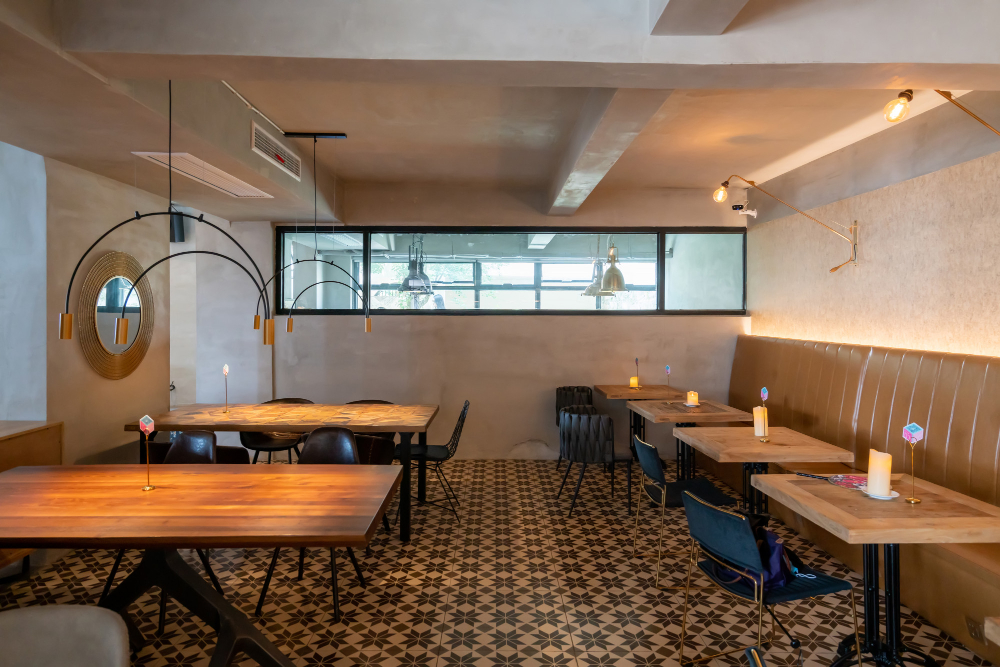
Seating decisions shape how a restaurant’s dining room looks, feels, and functions during service. Restaurant booths remain one of the most practical seating options for commercial spaces because they support comfort, structure, and efficient use of space. When it comes to choosing restaurant booths for your establishment, understanding the different styles, materials, and layout considerations helps create a setup that works for both guests and staff.
This guide will walk you through what to look for when selecting restaurant booths, with a special focus on real commercial-grade options commonly used in restaurants.
Why Restaurant Booths are Widely Used
Booths create a level of consistency that’s hard to achieve with tables and chairs alone. They form defined seating zones that help organize the floor while maintaining a clean and structured layout.
Better use of available space, comfortable seating with back support, and a more private dining experience all contribute to the popularity of booth seating. In busy restaurant environments, these advantages can improve both guest satisfaction and service flow.
Types of Restaurant Booths to Consider
- Single Booths
Single booths are placed against walls and feature seating on just one side. These are ideal for maximizing space along the perimeter of the dining room.
- Double Booths
Double restaurant booths include seating on both sides with a shared back. These are often arranged in rows and work well in larger dining areas where higher seating capacity is needed.
Each type supports a different seating strategy, so choosing the right mix can improve both efficiency and guest experience.
Booth Materials and Construction Options
Material selection affects both appearance and long-term performance. Commercial-grade booths are built to withstand frequent use while maintaining a sleek, polished, consistent look.
- Upholstered Booths
Upholstered restaurant booths remain one of the most popular seating choices due to their comfort and design flexibility. They come in a wide range of vinyl colors, which can match different interior styles.
These materials are easy to clean, resistant to wear, and well-suited for high-traffic environments. Upholstered booths are commonly used in casual dining spaces and family-friendly restaurants where guests may spend more time seated and comfort is a priority.
- Wood Booths
Wood frame booths offer a more structured and traditional appearance. They are often used in restaurants that lean toward a classic or polished look. The wood frame construction adds strength and stability, helping the booth maintain its shape under daily use.
Commercial-grade wood frame booths are built to handle frequent use while maintaining their finish over time. They also pair well with a variety of table top materials, making them a versatile option for many layouts.
- Metal Frame Booths
Metal frame booths focus on internal strength and long-term durability. The reinforced structure helps maintain stability in high-traffic environments with high turnover.
These booths are often paired with upholstered seating surfaces, combining structural support with comfort. They work well in modern or industrial-style dining spaces where durability and clean lines are important.
- Melamine Frame Booths
Melamine frame booths are designed with a durable outer surface that resists scratches, stains, and moisture. This construction works well in busy restaurant settings where easy cleaning and a standardized appearance matter.
These booths are often used in fast-casual and high-volume environments that prioritize long-term performance and low maintenance operations.
Booth Dimensions and Sizing
Proper sizing helps booths feel comfortable without taking up unnecessary space. Standard dimensions are designed to support both usability and efficient layout planning.
When choosing restaurant booths, it’s best to know the standard sizing:
- Seat height: 16–18 inches
- Booth length (along the wall): about 47–72 inches
- Single booth depth (wall to aisle): about 22–30 inches
- Double booth depth (back-to-back): about 40–50 inches
- Table length (side facing the guest): 24–72 inches
Spacing between the seat and table is also important. Guests should have enough room to sit comfortably without feeling restricted. At the same time, staff needs to be able to maneuver between tables quickly and serve food efficiently. Measuring your space in advance helps determine how many booths can fit while maintaining clear pathways.
Choosing the Right Table Tops for Booth Seating
Booths are typically paired with rectangular table tops that coordinate with the seating structure. In addition to the shape, the choice of table top material can also impact durability, maintenance, and overall appearance.
Common options include:
Laminate is widely used in restaurant settings for its durability and easy cleaning capabilities. It performs well in high-traffic areas and is available in a variety of finishes.
- Solid Wood Table Tops
Solid wood table tops provide a warm and natural look. They are often used in dining spaces where design plays a larger role in the overall atmosphere.
- Sintered Stone Table Tops
Sintered stone table tops are a strong choice for restaurants looking for a modern and durable surface. They resist scratches, heat, and moisture, making them suitable for demanding environments while maintaining a refined appearance.
Layout Tips for Booth Seating
All restaurants, regardless of the type of seating arrangements, require a strategic layout. Without this, even the most comfortable, high-quality restaurant seats will be inefficient.
Consider the following when planning your seating layout:
- Place single booths along walls to open up the central space
- Use double booths to create organized rows
- Maintain clear walkways for staff movement
Booths can also be used to define different sections within the restaurant dining room when partition walls or reconstruction is not possible. This can go a long way to help guide traffic flow and improve organization.
Balancing Comfort and Durability
One of the most important aspects of restaurant seating is its ability to handle constant use throughout the day. Booths designed for commercial environments need to be built with reinforced frames and materials that support long-term use.
Look for features such as:
- Sturdy construction
- Easy-to-maintain materials and upholstery
- Materials that can withstand frequent cleaning
Comfort will always remain a priority, especially in restaurants where guests tend to linger or in higher-end establishments. A well-built restaurant booth provides support, durability, and an elegant appearance all at once.
When to Combine Booths With Other Seating
Booths are often used alongside restaurant chairs and bar stools to create a balanced seating plan. This combination allows flexibility while still maintaining structure.
Use booths in areas where:
- Space efficiency is important
- A consistent layout is needed
- Defined seating sections improve flow
Mixing seating types helps accommodate different group sizes while keeping the layout practical.
Explore Commercial-Grade Restaurant Booths Ready to Ship
At restaurantpatiofurniture.com, we make it easy to find booth seating that works in real restaurant settings. Our selection includes commercial-grade booths built for durability, comfort, and consistent use in all types of commercial dining spaces.
We keep a large inventory in stock, allowing customers to get the seating they need without excessive delays. With competitive pricing and a wide range of styles, you can find booth seating that fits your space and pairs seamlessly with complementary table tops. With a variety of products in stock and ready to ship nationwide, we invite you to explore our offerings today. Shop wholesale restaurant furniture now.