
Fast Casual Vs. Quick Service Restaurant Design: 7 Key Differences
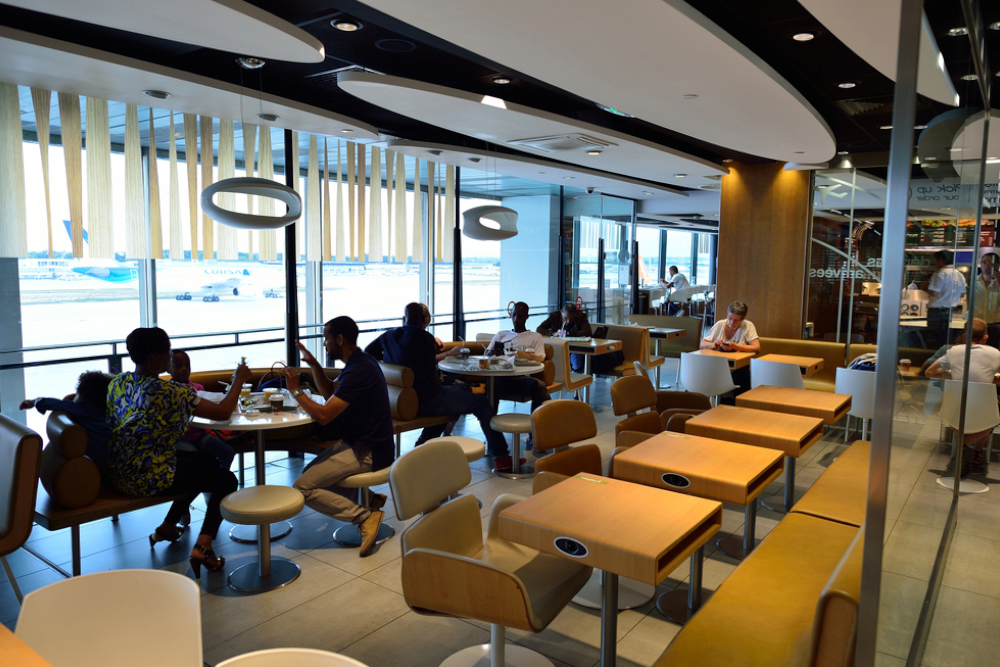
Fast casual and quick service restaurants are known for speed, but they communicate very different design languages. One emphasizes comfort, craft, and brand storytelling; the other prioritizes efficiency, clarity, and convenience. The result is two distinct spatial and visual experiences that shape how guests feel the moment they step inside.
Understanding these contrasts helps restaurant managers match their concept to guest expectations instead of sending mixed signals. When the interior reflects the promise on the menu, customers have a better idea of the dining experience they’re going to get.
A fast casual restaurant vs. quick service restaurant extends far beyond the menu. Here’s how.
1. Ambience and Décor in Fast Casual Vs. Quick Service Restaurants (QSRs)
Fast casual restaurant design is about being approachable with polish. Spaces often feature warmer lighting, textured finishes, statement art, and décor that reflects the restaurant’s brand personality. Guests are invited to eat in and enjoy instead of just grab and go.
Quick service restaurants favor bold, simple aesthetics. Strong branding, color blocking, and easy-to-clean surfaces dominate. The atmosphere is bright, energetic, and entirely focused on speed, with visual cues guiding guests quickly through the space.
2. Layout and Flow of Eateries
In fast casual settings, the layout supports a balanced pace. Guests usually order at the counter, but the dining room allows them to enjoy the dine-in experience comfortably, with clear but not rushed movement from entry to ordering to seating. Lines, pick-up points, and self-serve stations are thoughtfully planned out.
Quick service layouts are laser-focused on throughput. Floor plans create a direct, almost linear path: door, counter or kiosk, pick-up, exit. Zones are clearly separated to prevent bottlenecks, help staff work with maximum efficiency, and keep traffic flowing even during peak rush.
3. Materials and Finishes in Restaurant Design
Fast casual interiors often use a richer palette of materials: wood, tile, stone, and mixed metals that signal craft and quality. These textures hint at freshness and upgraded ingredients, aligning the space with the idea of “better fast food.”
QSR design typically leans into durability and easy maintenance first. Laminates, molded plastics, and other high-performance finishes stand up to heavy traffic and quick turnarounds. Increasingly, some brands still weave in natural materials, but function and cleaning speed sit at the top of the priority list.
4. Seating Style and Comfort for Restaurants
In fast casual restaurants, seating invites guests to stay a little longer. You’ll see a mix of upholstered chairs, banquettes, bar seating, and sometimes communal tables that support different group sizes and dining occasions. Comfort and visual variety matter as much as capacity.
Quick service furniture leans more toward straightforward, compact, and often more rigid pieces. Tables and chairs are closely spaced but are carefully arranged to keep the room open and easy to clean. You may also find restaurant benches in quick service restaurants to allow for more seating.
The message is clear: you are welcome to sit, but the main promise here is speed and convenience.
5. Service Touchpoints and Guest Journey
Fast casual design supports a semi-service experience. Guests might order at the counter but receive food at the table, refill drinks at well-placed stations, or interact with staff as they pass through the dining area. The space is laid out to support these touchpoints gracefully.
In QSRs, the service path is stripped down. Counters, kiosks, pick-up shelves, and drive-thru windows do most of the talking. The physical design highlights these nodes. This makes it obvious where to stand, order, pay, and grab food, with minimal extra movement or decision-making.
6. Branding and Storytelling
Fast casual interiors are built to tell a story. Wall graphics, typography, color schemes, and even the open kitchen often highlight sourcing, freshness, or culinary craft. Guests can see what the brand stands for by scanning the room and taking it all in.
QSR branding focuses on instant recognition and clarity. Logos, signature colors, and iconic shapes repeat across signage, packaging, and restaurant furniture. Cohesion and consistency are key. The aim is to make guests feel they know exactly what they will get, no matter which location they visit.
This distinction is one of the clearest indicators in the fast casual restaurant vs. quick service restaurant discussion.
7. Dwell Time and Zoning for Fast Casual Vs. Quick Service Restaurants
Fast casual design often includes zones for different lengths of stay: quick two-tops for solo diners, cozy corners for longer meals, and bar or window seating for casual snacking or remote work. Lighting, furniture, and acoustics support a more relaxed, multi-use environment.
QSR spaces generally assume shorter visits. Seating zones are simpler and more uniform, supporting fast meal turnover and clear sightlines for staff. Outdoor seating, when present, tends to mirror this efficiency-first mindset, pushing capacity without complicating operations.
Design Seating That Matches Your Concept
Ready to fine-tune your fast casual or quick service space with chairs that work as hard as your menu? At RestaurantPatioFurniture.com, we specialize in commercial restaurant chairs built for heavy traffic, daily cleaning, and long-term comfort.
You’ll find metal, wood, and upholstered options in a range of styles, from sleek modern frames to timeless ladder-back designs, so your seating actually fits your brand story. Many models pair with matching restaurant bar stools and tables, making it easier to create a cohesive look across the dining room.
Explore our restaurant chair collection today and start shaping a guest experience that feels intentional from the seat up.