
Furniture List For Your Restaurant: A Complete Guide
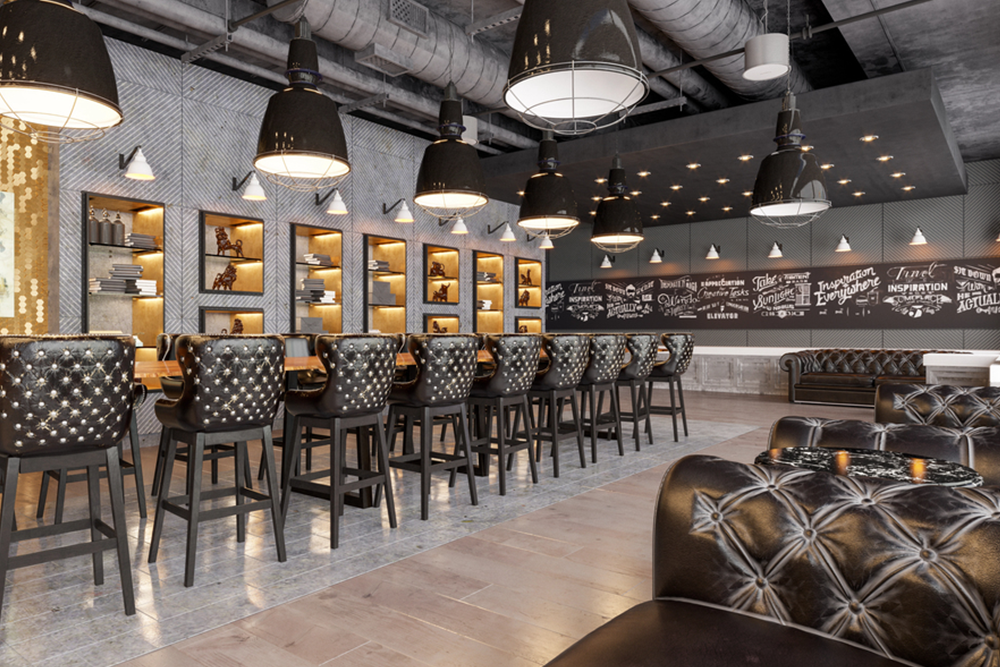
Setting up your restaurant space starts with one of the most important decisions—furniture. A smartly chosen layout, with the right tables, chairs, and accessories, supports both the visual style and the flow of operations. In this guide, we break down the furniture list for your restaurant setups into categories that help you get everything right the first time.
The Ultimate Furniture List for Your Restaurant
- Start With Indoor Dining Chairs
Indoor dining chairs set the tone for your restaurant’s interior. They’re used more than any other piece of furniture, so comfort and durability matter. You’ll find a variety of options, from metal-framed modern chairs to warm wooden finishes that suit a more rustic or classic vibe.
Choose chairs that match your layout and work well with your brand’s personality. Think about the overall vibe of your space and make sure your chairs are sturdy enough for daily use.
- Choose Tables That Fit Your Space
Tables come in many sizes, shapes, and materials, and each plays a role in how guests experience your restaurant. Square tables are flexible and can be pushed together for larger groups.
Round tables offer a more intimate setting. Wood, laminate, and metal are common materials, and each has its pros depending on your needs. Table height matters, too. Standard dining height is the most common, but counter-height or bar-height tables can add dimension in casual or lounge areas.
- Use Bar Stools to Elevate High-Traffic Zones
If you have a bar or a counter, barstools are a must. These pieces should match the height of the counter and fit within the space without crowding. Look for bar stools with footrests and back support for better comfort.
Some come with swivel seats or cushioned upholstery for a more relaxed feel. Stools can be made from wood, metal, or plastic, and each style supports a different atmosphere—sleek and modern or laid-back and cozy.
- Add Booths to Maximize Seating
Booths create cozy, semi-private spaces for guests and help optimize your seating layout. They can be placed along walls to open up the middle of your dining room or arranged in rows for larger restaurants.
Upholstery options like vinyl or fabric allow you to customize the look while keeping it easy to clean. Booths encourage longer stays and work well in family-style or casual dining restaurants.
- Don’t Forget About Table Tops and Bases
Many restaurants order tabletops and bases separately to mix and match. This brings more control over style, material, and cost. Tops come in wood, granite, laminate, or resin.
Bases can be round, square, or X-shaped, depending on the shape and weight of the tabletop. Matching the right top with the right base makes a significant difference in stability and appearance. Furthermore, adjustable glides under the base help level tables on uneven floors.
- Outdoor Chairs Should Handle the Elements
If your restaurant includes a patio or sidewalk area, outdoor furniture has to be strong enough to handle the weather. Aluminum and resin chairs are popular because they’re lightweight, rust-resistant, and easy to clean.
Stackable designs help with storage when not in use. Comfort also matters—look for options with armrests or cushion-ready frames to improve the experience for your outdoor diners.
- Pick Patio Tables That Last
Outdoor tables need to be durable and stable, especially on uneven ground. Look for materials that resist UV damage, rust, and moisture. Powder-coated metal, resin, and synthetic wood are popular choices.
Matching outdoor tables with chairs that share the same design language gives your patio a cohesive look. Umbrella holes are a helpful feature for sunny areas. This lets you add shade without needing separate structures.
- Use Benches for Flexible Group Seating
Benches are useful for communal tables, waiting areas, and outdoor dining. They work well in casual or modern environments and can make tight spaces feel less crowded.
Backless benches are the most flexible, while options with backs deliver more comfort for longer stays. For outdoor use, look for weather-resistant finishes or materials like recycled plastic and powder-coated steel.
- Accessorize With Glides and Floor Protectors
While often overlooked, accessories like glides make a real impact on daily operations. These small pieces go under the chair and table legs to protect your flooring and reduce noise.
They also help stabilize furniture and prevent wobbles that could disrupt guests. Glides come in felt, plastic, and metal varieties, each suitable for different floor types like tile, wood, or concrete.
- Use Lounge Furniture to Create Waiting or Social Spaces
Lounge furniture adds value beyond the main dining area. These pieces turn unused corners or entryways into comfortable waiting zones. Sofas, armchairs, and coffee tables give guests a place to relax before being seated. For upscale restaurants or wine bars, lounge setups invite longer stays and deeper engagement.
Materials vary. However, the focus should be on comfort and durability. Faux leather, vinyl, and dense fabric blends work well in high-traffic areas. Match lounge furniture to your existing style to keep a seamless look across the space.
- Add Host Stations and Wait Stations
A restaurant runs better when your staff has everything in place. Host stations help create a welcoming first impression and serve as the command post for seating arrangements. Choose one that has storage space for menus, a tablet or POS system, and other essentials.
Wait stations, often tucked near dining sections, offer room for silverware, napkins, condiments, and other supplies. They help your team stay efficient without constant trips to the back of the house. Pick designs that match your dining room and don’t block foot traffic.
- Select Trash and Recycling Bins That Blend In
Cleanliness matters, but so does presentation. Visible trash and recycling bins should blend in with your decor. Choose containers with sleek lines, neutral colors, and sturdy lids. Stainless steel and matte black finishes work in most environments.
For outdoor spaces, weatherproof bins with secure tops help keep your patio tidy. Placement is key—buckets should be near exits or tucked in corners, not near dining tables. Some bins include foot pedals or swinging lids for a hands-free experience.
- Consider High Chairs and Booster Seats
Families appreciate restaurants that think ahead. High chairs and booster seats help younger guests enjoy meals comfortably and safely. Stackable options make it easy to store them when not in use. Choose chairs made from durable plastic or coated wood.
Safety straps and wide bases help prevent tipping. Keep them clean and easy to access during busy hours. Adding just a few of these pieces can make a big difference for family customers.
- Use Room Dividers to Manage Layout Flow
Room dividers help guide movement through your restaurant. They can also create privacy zones or separate areas for different types of guests.
Panels made from wood, metal, or fabric let you switch up your layout as needed. Some dividers come with built-in planters or shelves, which offer visual interest while serving a function. These features work well in open-concept spaces or restaurants with multiple dining areas.
- Install Wall Decor and Shelving for Added Function
Wall-mounted shelves serve both form and function. Use them to display decor, store extra dinnerware, or hold potted plants. Wall decor, like art or signage, adds personality and connects with your theme.
Choose items that reflect your restaurant’s identity without crowding the walls. Mirrors can open up smaller spaces. Accent lighting near wall features draws attention to design details and helps with mood-setting.
- Use Furniture to Set Up Takeout and Delivery Zones
With more customers ordering takeout, setting up a proper pickup zone can help streamline your flow. A small counter or table with designated shelves can serve this purpose.
Label orders clearly and keep them organized by name or order number. Consider placing this zone near the front entrance for quick in-and-out access. Furniture pieces used in this area should be compact but sturdy and should match the surrounding space in style and material.
- Pay Attention to Entryway Furniture
First impressions matter, and your entrance should reflect the quality of your restaurant. A welcome bench, small console table, or decorative accent chairs near the door can offer comfort to guests waiting for their table.
Add touches like a hand sanitizer stand or umbrella holder to enhance convenience. Entryway pieces should be functional without crowding the space. Select items that handle frequent use while tying in with the rest of your interior.
- Review Material Choices Based on Usage
Each furniture material works better in certain conditions. Wood adds warmth but needs regular care. Metal is durable and works indoors or outdoors. Resin and synthetic options hold up well to moisture and direct sunlight.
For padding and upholstery, vinyl is the most practical in high-turnover spots. Fabric blends offer more comfort but may need deeper cleaning. When possible, test materials in your space before buying large quantities.
- Match Furniture to Your Concept
Think about your restaurant concept—fine dining, fast casual, family style, or bar-and-grill. Each calls for different furniture choices. Fine dining might need polished wood, upholstered seats, and elegant tables.
Fast casual spaces benefit from compact, stackable, easy-to-clean designs. Bars and grills go well with high-top tables and mixed-material finishes. Stay consistent across your furniture so guests get a clear sense of your brand as soon as they walk in.
- Evaluate Space Layout Before Ordering
Measure your space carefully before buying furniture. Leave enough room between tables for guests and staff to move freely. Consider fire safety paths and ADA compliance as well. Draw out your floor plan and test different arrangements.
Mix booth seating, two-tops, and group tables to accommodate different parties. Leave extra space for high-traffic areas near kitchens, restrooms, and host stations. Smart layout planning will save you time and money in the long run.
Why Furniture Choice Impacts Revenue
Furniture affects more than just looks—it affects your bottom line. Comfortable, well-spaced seating keeps guests happy and increases the chance they’ll return. Fast table turnover depends on the right layout and easy access.
Durable furniture reduces replacement costs and limits downtime from repairs. Style plays into social media posts and word-of-mouth marketing. When all these elements work together, you build a more profitable and memorable experience.
How RestaurantPatioFurniture.com Can Help
At RestaurantPatioFurniture.com, we understand what it takes to outfit a restaurant with long-lasting, attractive furniture that fits your style and budget.
Our product range includes everything you need—chairs, booths, tables, stools, and patio pieces. We pay close attention to what restaurants need today and update our catalog regularly to meet those demands. Our large inventory means fast shipping, so you don’t have to wait weeks to open or refresh your space.
Our support team is here to walk you through your order, from product selection to delivery updates. You can shop by material, function, or design to quickly find what fits your floor plan. From first-time restaurant owners to seasoned pros looking to scale or rebrand, we’re ready to help you build a space that works as hard as you do.
Ready To Start Furnishing Your Restaurant?
Building your restaurant starts with the right furniture, and now that you have a full list, the next step is action. At RestaurantPatioFurniture.com, we make that step easy. Browse our catalog online, check out our best prices, and reach out to our team if you need guidance. Let’s create a space your guests will love, one table and chair at a time.