
How Much Does A Restaurant Table Cost? Pricing & Budgeting Guide
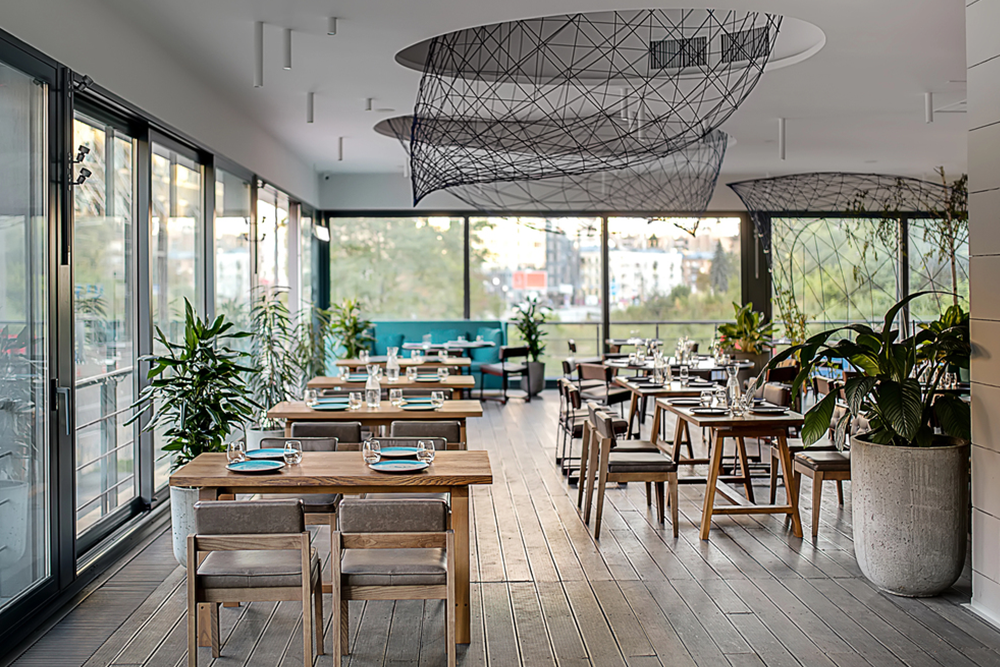
If you are planning a new dining space, you may wonder: How much does a restaurant table cost? Table price affects your budget and the look of your restaurant. You will learn what drives cost so you can make smart choices and stay on budget.
A well-chosen table can last years and shape guest experience from the moment they sit down. Investing time in research now prevents budget overruns later while keeping your dining area appealing.
Materials and Their Price Impact
Tabletops come in many materials, and each one affects cost. Laminate is often the lowest price option. It resists stains and cleans easily, but may wear faster over time. Solid wood, such as oak or maple, costs more because of its strength and natural beauty.
Stone tops like granite or marble sit at the high end of the price range since they resist heat and scratches and last for years. Metal tops offer a modern look and midrange cost but may show dents if used roughly.
Investing in higher-grade finishes can add to upfront costs, yet reduce maintenance bills later. Warranties on premium materials may also add a slight cost but deliver long-term value.
Size, Shape, and Cost Variations
Larger tables require more material and stronger support, which increases their cost. For example, a four-top rectangular table will typically be less expensive than a banquet table for eight. Round tables may carry a slightly higher price per seat due to the extra material at the center. Custom-sized tables also come at a premium because they require special cutting and finishing.
Standard-sized tables are easier to source and are generally more affordable. When selecting tables, consider your space size and typical party sizes to find the best balance between your floor plan and budget. Smaller tables can help free up aisle space and enhance table turnover during busy services.
Table Base Choices and Pricing
Bases hold the table steady and affect the cost, too. Simple pedestal bases made of cast iron are affordable and strong. A four-legged base of steel or aluminum may cost a bit more, but it brings a different look. Designer bases in polished steel or custom shapes add style and increase the price.
Some bases include adjustable feet to keep tables level on uneven floors. Base costs can range from a few dozen dollars to several hundred. Choosing a base with quick-release fittings can save labor time during cleaning and rearranging. Powder coating or specialty finishes on bases add weather resistance for outdoor use, but raise cost.
Style and Finish Effects on Cost
The finish and style of a table have a significant impact on its cost. A simple stained wood top will generally be less expensive than one with inlaid patterns or a hand-rubbed finish. Powder-coated metal edges are more durable and resistant to chipping, but also come with a higher price tag.
Live-edge wood provides a rustic look and is typically more expensive due to the unique slabs used. Custom-painted or printed designs will cost more than solid color finishes. Simple designs help maintain a lower price, while custom finishes allow for a more distinctive look.
Additionally, the direction of the wood grain and the quality of the veneer will influence both price and visual appeal. UV-resistant finishes for outdoor tables protect the color over time, but they also add to the cost.
Shipping, Assembly, and Extra Fees
The cost of a table goes beyond its sticker price. Shipping large and heavy tables can add significant fees. Ordering multiple tables at once may reduce the per-table shipping cost. Some tables come fully assembled. Meanwhile, others require assembly of the top and base. Professional assembly may incur extra charges but guarantees stability and saves time.
Additional fees like sales tax, delivery surcharges for remote locations, or storage fees at the dock can increase the overall cost. If you require rush delivery or liftgate services, those will also add to the final price. Be sure to account for all these potential costs when planning your purchase to avoid surprises.
Budgeting for Maintenance and Replacement
Tables naturally experience wear and tear over time. It’s important to budget for cleaning supplies, surface treatments, and small repairs. Wood surfaces may need periodic refinishing to conceal scratches, while metal bases might require tightening of bolts. Stone surfaces will likely need sealing every couple of years.
Plan for the replacement of heavily used tables after five to ten years. A maintenance budget of five to ten percent of the initial cost per year helps keep tables in good condition and avoids unexpected large expenses. Tracking repair history can help determine when replacing a table is more cost-effective than repairing it.
Regular inspections throughout the year can catch signs of wear before they result in expensive damage.
Custom Tables and Their Premium
Custom tables let you match your brand, but cost more. You choose size, material, finish, and special touches like logos or engraving. Crafting by hand adds labor costs and longer lead times. Custom bases or unique shapes add to the price tag. Many operators find the extra expense worthwhile to create a signature look.
To manage cost, limit custom features to a few focal tables and use standard options elsewhere. Reviewing prototypes before full production can prevent costly design changes later. Custom UV printing or specialty inlays raise the cost further but create standout pieces.
Bulk Discounts and Volume Pricing
Purchasing tables in bulk can lower the price per unit. Manufacturers and distributors often offer tiered pricing for larger orders, with discounts typically starting at ten or twenty units. Bulk purchases also reduce the shipping cost per table. If you’re running a chain or planning multiple locations, ordering in bulk can significantly ease your budget.
Negotiating pricing for future reorders can lock in favorable rates. Ordering sample tables first allows you to assess quality before committing to a large order.
Making Smart Tradeoffs
Achieving both the lowest price and the highest quality is often not possible. It’s important to decide what matters most to your business. If you expect heavy use, investing in durable materials and simple finishes is a wise choice. For a restaurant that’s a showpiece, allocate your budget for standout tables while opting for basic options in the back of the house.
Mixing high-end tables in guest areas with more affordable options in less visible spaces, you can maintain both style and savings. Reallocating your budget from less prominent areas can free up funds for key focal points. Phased purchases also allow you to spread the cost over time.
Financing and Payment Options
Many suppliers offer financing plans that let you spread the cost over months. Leasing options allow you to upgrade tables before the end of their life. Some vendors offer discounts for early payment or full upfront payment.
Compare interest rates and terms to find the best approach. A small financing fee may be worth the cash flow flexibility you gain. Asking about seasonal promotions or showroom clearance can yield additional savings. Credit terms can improve cash flow, but always check for hidden fees.
Understanding “How much does a restaurant table cost?” means looking beyond the sticker price. Material, size, style, shipping, and maintenance all affect your budget. With the right mix of standard and custom options, planning for extras, and leveraging volume discounts, you can create a dining space that looks great and stays within budget.
At RestaurantPatioFurniture.com, we help you pick tables that match your style and hold up under daily use. To explore a wide selection of restaurant tables at competitive prices, contact us.