
How Restaurant Interior Design Psychology Influences Guest Behavior
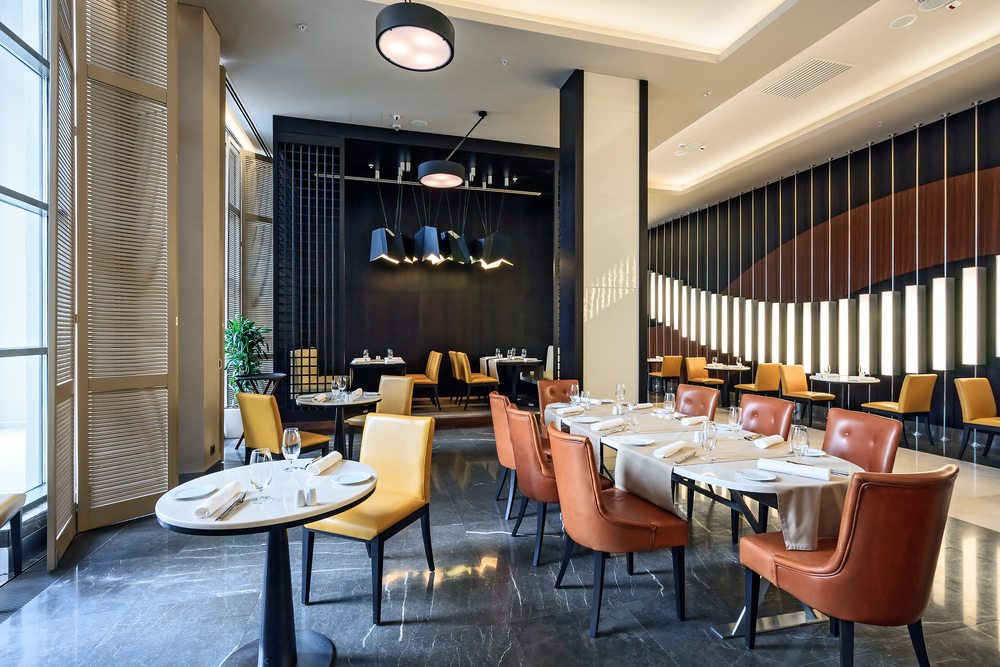
The atmosphere of a restaurant goes far beyond the menu, guiding every guest’s behavior, emotions, and dining experience. Restaurant interior design psychology plays a pivotal role in influencing how guests feel, interact, and, ultimately, how long they stay.
Whether it’s the vibrant colors, carefully crafted seating arrangements, or the lighting that bathes the room, every element can subtly affect everything from appetite to social interaction. At restaurantpatiofurniture.com, we understand the role of the right restaurant furniture in creating the perfect atmosphere.
In this article, we’ll find out how interior design can affect your customers’ behavior, making the case for why thoughtful design and furniture selection are central to a restaurant’s success.
How Color Influences Guest Experience and Restaurant Atmosphere
Colors are one of the first things guests notice when entering a restaurant. Each color can affect guest behavior and perception in distinct ways. A well-thought-out color scheme can boost the energy in a bustling fast-casual restaurant or create an intimate, romantic feel in fine dining settings.
Psychologically, warm colors like red, orange, and yellow tend to invoke a sense of excitement, hunger, and energy. These tones encourage guests to stay engaged and often increase their turnover rate. In contrast, cooler shades like blue and green promote calmness and relaxation, which might extend dining times and encourage guests to savor the experience.
Restaurants that specialize in quick meals, like fast food and casual dining spots, often favor bright, stimulating colors. On the other hand, fine dining establishments lean toward softer, muted tones to slow down the pace, create a soothing atmosphere, and encourage guests to enjoy their meals at a leisurely pace.
The Impact of Layout and Space on Guest Behavior
A restaurant’s layout can have a significant effect on how guests behave, influencing everything from the speed of service to how long they linger after finishing their meal. The arrangement of tables, aisles, and walkways impacts guest movement and interaction.
A well-designed space promotes smooth transitions, minimizing congestion while creating natural pathways. This layout can enhance the dining experience and contribute to a psychological sense of comfort. For instance, wider aisles and fewer obstructions lead to a feeling of openness, which allows guests to feel relaxed and unhurried.
In contrast, cramped spaces can make diners feel uncomfortable, leading to quicker turnover times or, worse, a negative experience. The restaurant furniture choices you make, such as the use of booths or open seating, also heavily impact how guests engage with each other.
Furniture and Seating Arrangements
When it comes to restaurant design psychology, furniture plays an undeniable role in shaping guest behavior. The type of seating, its comfort level, and its arrangement within the space all influence how guests behave and interact.
Consider the difference between casual dining furniture like stools and bar-height tables versus the comfort of booths in more relaxed, fine dining settings. Stools and high-top tables encourage brief interactions and quick turnover, while booths or cushioned chairs create an inviting, comfortable environment that invites guests to linger longer.
The arrangement of seating also affects the flow of conversation and social interaction. In family-style restaurants, large tables and communal seating encourage a shared experience, often leading to longer visits. On the other hand, small, intimate tables may promote quiet, personal meals and fewer social interactions.
We specialize in offering high-quality indoor and outdoor restaurant furniture that caters to various dining experiences. Our furniture selection helps restaurant owners create the perfect atmosphere.
Setting the Mood for Every Meal with Lighting
Lighting is another important aspect of restaurant interior design psychology, as it directly influences the atmosphere and guests’ emotional state. The brightness, color temperature, and positioning of lighting fixtures can affect everything from how food looks to how long guests stay.
Warm, dim lighting is often used in fine dining settings to create a relaxed and intimate environment. This type of lighting promotes conversation and encourages guests to stay longer. In contrast, bright and energetic lighting is often found in casual or fast-paced restaurants, where the goal is to keep the energy high and turn tables quickly.
The psychological effect of lighting is also evident in how it influences the appearance of food. Well-lit tables make food look more appealing, enhancing the dining experience and encouraging guests to order more. The subtle impact of lighting also shapes the overall mood of the room and the guests’ perception of time, energy, and even their appetite.
Sound and Acoustics
While often overlooked, sound plays a major role in the psychology of restaurant design. The right acoustics can make or break a dining experience. Too much noise can lead to discomfort and make conversation difficult, while a quiet, calm environment invites relaxed eating and long conversations.
Restaurants that choose lively music or have louder environments, such as bars, encourage quick interactions, while those with soft background music or near-silent acoustics foster relaxation and extended stays.
Additionally, the type of sound can influence the pace of eating. High-energy music may prompt guests to eat faster, while soft, instrumental music may slow down the pace of dining. The combination of sound and furniture layout works in tandem to create a comfortable, engaging experience that influences how guests feel about their meal.
Types of Restaurant Interior Design and Guest Expectations
The type of interior design a restaurant adopts influences both guest behavior and the overall experience. Fine dining restaurants often lean toward elegant, formal design, which sets the tone for an upscale experience. In contrast, casual dining and fast-food establishments focus on functional, simple designs that encourage quick service and easy turnover.
Each type of restaurant interior design caters to a specific set of expectations from guests. Whether it’s the high-energy, social atmosphere of a casual eatery or the quiet, intimate ambiance of an upscale restaurant, design plays a role in fulfilling these expectations and guiding guest behavior.
For restaurant owners, understanding these design types and aligning them with guest preferences is important in delivering a satisfying experience that keeps guests coming back.
The Influence of Interior Design on Guest Behavior
In hospitality, understanding interior design psychology can shape how guests behave and interact within your space. Every element of interior design contributes to the overall dining experience. By thoughtfully considering how each design decision impacts guest behavior, you can create an environment that aligns with your restaurant’s goals and enhances customer satisfaction.
We understand that the right restaurant furniture is an integral part of crafting the perfect ambiance. With our extensive selection, you can create an atmosphere that both attracts and retains customers.
Shop online today to find the perfect restaurant furniture to enhance your restaurant’s interior design and create the ultimate guest experience.