
How To Tell If A Restaurant Chair Is Solid And Built To Last
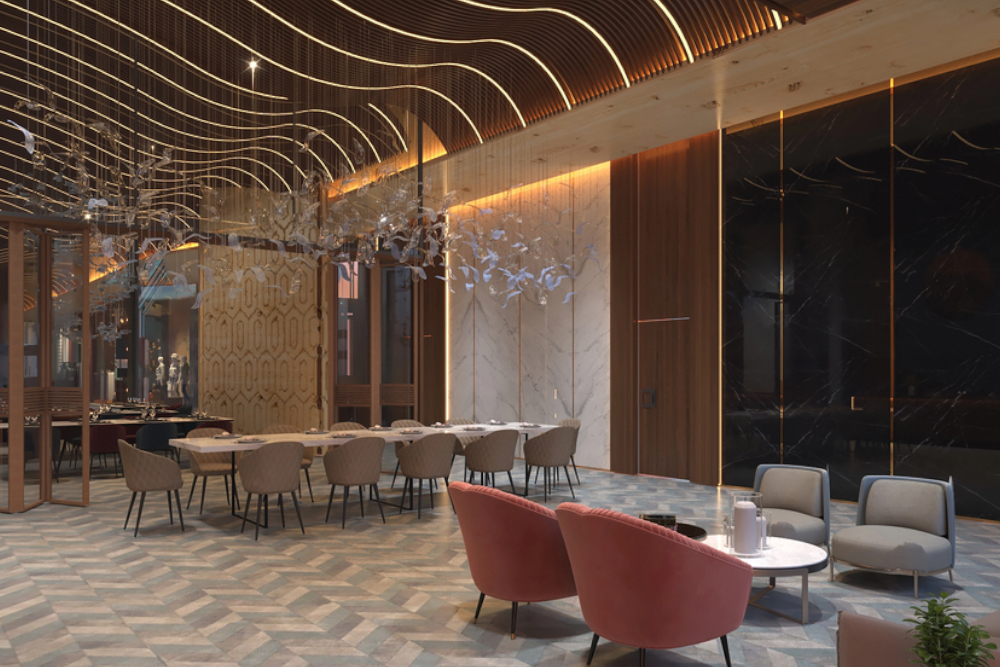
Selecting the right seating for your restaurant is an investment in durability, comfort, and long-term value. One of the most important factors to consider is how to tell if a restaurant chair is solid and built to last. This means looking beyond appearances and focusing on the quality of materials, the strength of the frame, and the overall construction.
In this guide, you will learn what makes a chair truly durable and how to identify the signs of a well-built piece of furniture. From sturdy joints to reliable materials, we will cover everything you need to know before making your purchase.
At restaurantpatiofurniture.com, we offer a wide range of commercial-grade seating designed to meet the demands of high-traffic restaurant environments while maintaining visual appeal.
What Does It Mean for a Restaurant Chair to Be Solid and Built to Last?
A solid chair is one that can endure constant use, resist damage, and maintain its functionality for years to come. It’s made from quality materials, has a sturdy frame, and provides stability under pressure. It is equally important to know how to tell if a dining table is solid and real wood, made from authentic materials that will stand the test of time.
At restaurantpatiofurniture.com, we understand the importance of furniture that can withstand the daily demands of a bustling restaurant. Our restaurant chairs are designed with durability and aesthetics in mind, ensuring that you make the best choice for your establishment.
What Are the Key Indicators of a Solid Restaurant Chair?
A solid restaurant chair is one that combines high-quality materials, strong construction, and stable balance to handle constant use without losing comfort or appearance.
Here’s how to tell if a restaurant chair is solid and whether it can endure the demands of a busy restaurant environment:
- Material Quality: A solid chair starts with high-quality materials. Chairs made from solid wood, heavy-duty metal, or durable plastics are more likely to withstand wear and tear over time. For instance, hardwood chairs, such as those made from oak or maple, are known for their durability compared to softer woods like pine.
- Sturdy Frame Construction: Look for well-constructed frames. Mortise and tenon joints, which are interlocking, offer superior strength compared to glued or nailed joints. Bolted connections should also be tightly secured, and you should check for reinforcing crossbars or braces, which help distribute weight evenly across the chair.
- Weight and Balance: A heavier chair typically indicates sturdiness. Lighter chairs made from low-quality materials might wobble or break after prolonged use. When sitting in the chair, it should feel stable and balanced, with no noticeable give or wobbling.
How Can You Assess the Material Quality of a Restaurant Chair?
Yes, you can assess a restaurant chair’s material quality by examining its composition, finish, and craftsmanship to gauge how well it will hold up in daily use.
How to Tell if Furniture Is Solid Wood
Solid wood is the most durable material for restaurant seating. To determine if a chair is solid wood, check for visible grain patterns and edges that aren’t uniform, which is common in plywood or veneer. Solid wood furniture is heavier and denser than its counterparts, offering better durability.
- Metal Chairs
Chairs made from high-quality metals such as steel or aluminum provide excellent strength and are resistant to rust and wear. Make sure the metal frame is thick and free from visible dents or cracks, which could indicate poor construction.
- Upholstery and Foam
For upholstered restaurant chairs, examine the type of foam and fabric used. High-density foam offers long-lasting comfort, while high-quality fabrics like commercial-grade vinyl or leather resist stains and tearing. The fabric should also be resistant to fading and discoloration from sunlight or frequent washing.
What Should You Look for in a Chair’s Frame to Ensure It’s Built to Last?
Choose chairs with frames made from solid hardwood, high-grade steel, or aluminum. These materials make sure that the frame can handle the heavy use typical in a restaurant environment. Look for metal frames that are powder-coated for extra durability and resistance to scratches.
The construction of the joints also plays a role in the durability of the chair. Mortise and tenon joints, which involve interlocking pieces of wood, are stronger than just screws or nails holding pieces together. For metal chairs, check for welded joints rather than riveted or bolted ones, as welded joints offer greater strength and durability.
High-quality chairs often have additional reinforcements, such as crossbars or supports underneath the seat. These reinforcements help prevent wobbling and confirm that the chair can support weight evenly. Make sure to check the underside of the chair for these structural supports, especially at the joints.
What Are the Signs of Poor Quality in Restaurant Chairs?
If the joints are not reinforced and the bolts are loose or easily unscrewed, the chair is likely to break down quickly. Look for any signs of wobbling, especially where the legs meet the seat.
Chairs made from lightweight materials or softwoods may feel weak and may not withstand the daily demands of a busy restaurant. Test the frame and seating to ensure that the material feels solid and strong.
Uneven legs can cause wobbling and discomfort for guests. Make sure that the chair sits flat on the ground, and check for any wobbling or instability that could affect guest comfort.
How Long Should You Expect a Restaurant Chair to Last?
On average, a high-quality chair can last for several years, but here’s what to expect based on the material.
High-quality hardwood chairs, when properly maintained, can last up to 10 years or more. The type of wood and finish will influence its durability, with hardwoods like oak or maple offering the longest lifespan.
Metal chairs, particularly those made from steel or aluminum, can last for up to 15 years, provided they are made with rust-resistant finishes and are regularly checked for signs of wear.
Upholstered chairs, depending on the quality of the foam and fabric, can last anywhere from 5 to 10 years. The upholstery should be durable enough to handle frequent cleaning and the occasional spill without showing significant wear.
What Maintenance Practices Can Help Extend the Life of Restaurant Chairs?
Tightening the bolts and screws on restaurant chairs helps maintain their structural integrity. Check the hardware every few months to keep everything secure. Regularly clean your chairs, especially if they have fabric or wood elements. Use appropriate cleaners for wood, metal, and upholstery to remove dust and prevent build-up. This will prevent premature aging and wear.
If your chairs are made from wood, consider applying a protective coating to prevent scratches. For upholstered chairs, using protective covers or replacing cushions periodically can prolong their life.
We offer a wide range of high-quality restaurant furniture designed to meet the demands of any dining environment, ensuring long-lasting durability and aesthetic appeal.
Shop online today to explore our selection and find the perfect seating for your restaurant.