
Extend the Lifespan of Your Outdoor Restaurant Furniture
Introduction
When it comes to outdoor restaurant furniture, durability and longevity are crucial factors. Investing in high-quality furniture is a significant investment for any restaurant owner, and extending the lifespan of this furniture is essential to maximize its value. In this article, we will explore practical tips and strategies to help you preserve and maintain your outdoor restaurant furniture, ensuring that it stands the test of time and remains in excellent condition.
Choose Weather-Resistant Materials
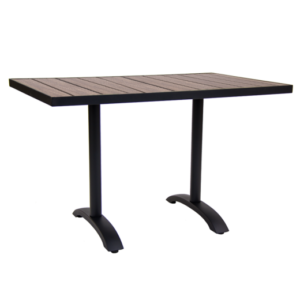
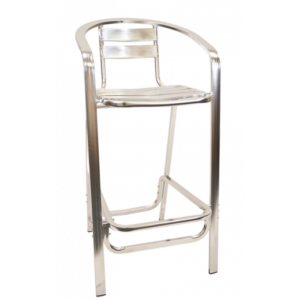
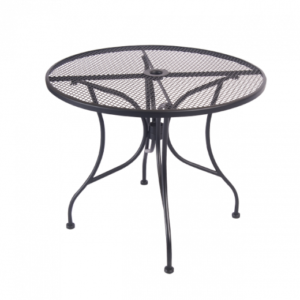
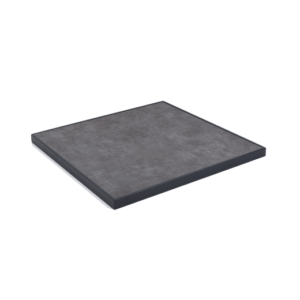
Enhancing the durability of your outdoor restaurant furniture is a task that hinges on selecting the right materials. To ensure your furniture withstands various weather conditions admirably, it is vital to opt for materials specifically designed for this purpose. Consider furniture crafted from resilient materials such as high-density polyethylene (HDPE), wrought iron, aluminum, or teak. These remarkable materials are renowned for their durability and ability to resist fading, corrosion, and cracking.
Shielding your outdoor restaurant furniture from the detrimental effects of the environment becomes effortless when you invest in weather-resistant furniture constructed with these enduring materials. Whether confronted with torrential rain, scorching heat, or freezing temperatures, teak, aluminum, wrought iron, or HDPE furniture will withstand the elements and endure for an extended period.
Teak, known for its natural strength and elegance, offers exceptional resistance to moisture, rot, and insect damage. Its innate durability makes it a fantastic choice for outdoor furniture that can endure harsh weather conditions with ease.
Aluminum furniture is lightweight, making it easy to move around, yet it boasts remarkable durability. It has a natural corrosion resistance, making it ideal for outdoor settings where exposure to rain and humidity is inevitable. Additionally, aluminum furniture can be coated with protective finishes, further enhancing its ability to withstand the elements.
Wrought iron furniture exudes timeless charm while providing exceptional longevity. Its sturdy construction and resistance to rust make it an excellent option for outdoor environments. Proper maintenance, such as periodic touch-ups with protective coatings, can ensure that wrought iron furniture remains in excellent condition for years to come.
High-density polyethylene (HDPE) stands as a synthetic material widely favored for outdoor furniture due to its exceptional durability and ability to withstand diverse weather conditions. HDPE furniture emerges as a reliable choice that remains unfazed by intense sunlight, preserving its vibrant appearance without any signs of fading. Notably, it exhibits impressive resistance to cracks, chips, or peeling, ensuring its longevity. Maintaining HDPE furniture is also a breeze, as it offers easy cleaning and upkeep, making it a highly practical option for outdoor restaurant furniture.
In the realm of outdoor restaurant furniture, the selection of appropriate materials holds immense significance in determining its lifespan. Embracing weather-resistant materials like teak, aluminum, wrought iron, or HDPE guarantees the resilience of your furniture against the elements, shielding it from fading, rusting, or cracking. By investing in top-quality, durable furniture, you create an inviting outdoor dining space that will continue to delight your customers for years to come.
Regular Cleaning and Maintenance
Maintaining the pristine appearance of your outdoor furniture requires regular cleaning and diligent upkeep. Establishing a cleaning schedule and adhering to it is essential. To begin, eliminate any dirt, debris, or food particles that may have accumulated on the furniture’s surfaces. Utilize a mild soap or cleaning solution to gently cleanse the furniture, ensuring thorough coverage. Once done, rinse the furniture meticulously with water, guaranteeing the removal of all cleaning residues. Before using or covering the furniture, allow it ample time to dry completely, safeguarding it against potential damage. By implementing these cleaning practices, you can uphold the freshness and longevity of your outdoor furniture, enabling it to remain in impeccable condition.
Utilize Protective Covers
To shield your al fresco furniture from the relentless impact of severe weather phenomena such as intense sunlight, rainstorms, or snowfall, it is highly recommended to invest in premium-grade protective encasements. These encasements serve as dependable fortifications, providing an impregnable barrier to preserve your furniture against the elements. Whenever your furniture is not in use, it becomes imperative to establish a habitual practice of completely enveloping it, thereby ensuring comprehensive and all-encompassing shelter. By embracing this ritual, you minimize the peril of harm and curtail exposure to potential hazards. The protective encasements assume a pivotal role in upholding the aesthetic appeal of your furniture and averting unnecessary deterioration. Through this straightforward yet remarkably effective undertaking, you can prolong the lifespan of your al fresco furniture while ensuring its perpetual state of optimum condition.
Provide Ample Shade
Excessive exposure to direct sunlight can cause fading and deterioration of outdoor furniture over time. To combat this, provide ample shade in your outdoor dining area. Install umbrellas, awnings, or shade sails to protect your furniture from prolonged exposure to the sun’s harmful UV rays. This will not only extend the lifespan of your furniture but also create a more comfortable dining experience for your guests.
Secure Furniture During Extreme Weather
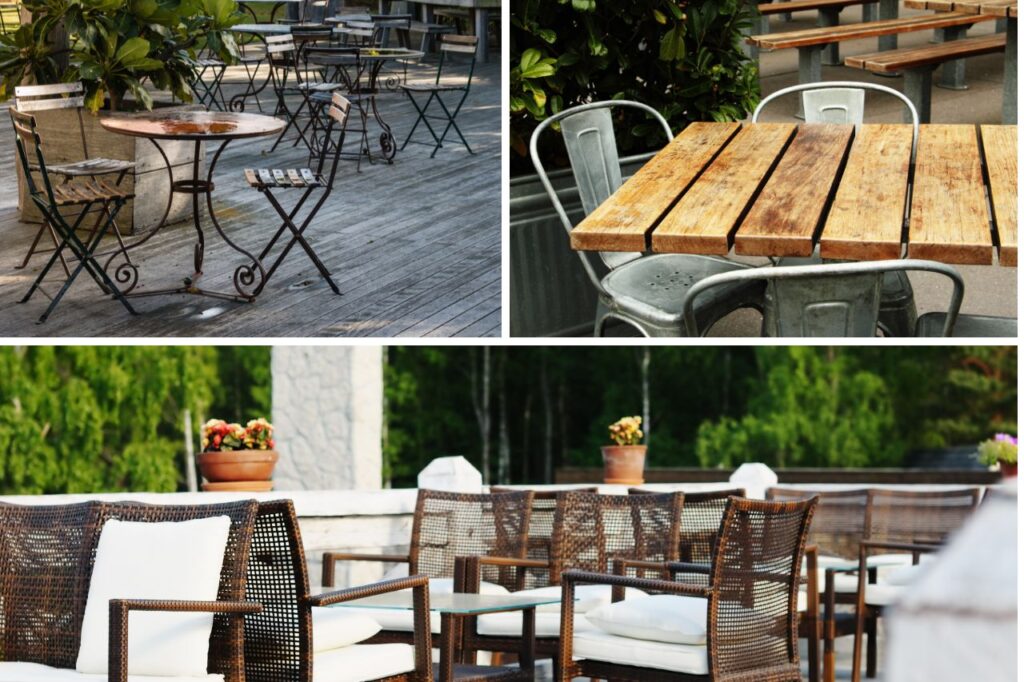
During severe weather conditions such as storms or hurricanes, it is crucial to secure your outdoor furniture properly. Strong winds can cause furniture to topple over or get blown away, resulting in significant damage. Move the furniture to a safe location or use sturdy anchors and ties to keep it securely in place during extreme weather events.
Regularly Inspect for Damage
Frequent inspections are vital to identify any signs of damage or wear and tear early on. Check for loose screws, cracked frames, or any other issues that may compromise the integrity of your outdoor furniture. Address these issues promptly by repairing or replacing damaged parts to prevent further deterioration.
Apply Protective Coatings
Depending on the nature of your al fresco furniture, the application of safeguarding coatings can greatly contribute to its prolonged existence. For furniture crafted from timber, it is prudent to contemplate the utilization of a sealant or varnish, which serves to shield it against moisture, insects, and the perils of decay. In the case of metal furniture, bestowing upon it a layer of paint that repels rust or a preservative finish can prove instrumental in warding off the afflictions of corrosion and unsightly chipping.
Store Furniture During Off-Season
If your dining establishment encounters an off-season or protracted stretch of inactivity, it is advisable to contemplate the notion of relocating your al fresco furniture to an indoor storage space. By undertaking this measure, you effectively shield your furniture from the extremities of inclement weather and substantially elongate its lifespan. Prior to stowing it away, ensure to diligently cleanse and desiccate the furniture, leaving no room for moisture. It is crucial to store it within a dry, well-ventilated locale to prevent the occurrence of mold or mildew proliferation.
Conclusion
By following these essential tips, you can extend the lifespan of your outdoor restaurant furniture and ensure that it remains in excellent condition for years to come. Choosing weather-resistant materials, regular cleaning and maintenance, utilizing protective covers, providing shade, securing furniture during extreme weather, regular inspections, applying protective coatings, and storing furniture during off-seasons are all effective strategies to enhance the durability and longevity of your outdoor restaurant furniture.
FAQs (Frequently Asked Questions)
How frequently should I undertake the cleaning of my al fresco restaurant furniture?
It is highly recommended to dedicate a cleaning session to your outdoor furniture at a minimum interval of once per week. However, if your furniture is exposed to substantial usage or experiences noteworthy accretion of dirt, more frequent cleaning may be necessary.
Can I leave my outdoor furniture uncovered during the winter season?
To ensure the well-being and preservation of your outdoor furniture, it is advisable to refrain from leaving it exposed during the winter months. By covering or storing your furniture, you effectively shield it from the adverse effects of freezing temperatures, snow accumulation, and the perils of ice formation.
What steps should I take if I observe the presence of rust on my metal outdoor furniture?
Should you notice the emergence of rust on your metal furniture, exercise caution and proceed to delicately eradicate the rust using either a wire brush or sandpaper. Subsequently, employ rust-resistant paint or a protective finish to avert any future instances of corrosion.
Is it imperative to apply a sealant to wooden outdoor furniture?
Employing a sealant or varnish on your wooden outdoor furniture offers an additional layer of fortification against the encroachments of moisture, insects, and the detriments of decay. By doing so, you not only extend the furniture’s lifespan but also uphold its aesthetic appeal over time.
Can I utilize a pressure washer to cleanse my outdoor restaurant furniture?
In general, it is advisable to refrain from utilizing a pressure washer to clean outdoor furniture, as the intense water pressure can cause damage to the furniture’s surface and finish. Instead, opt for gentle cleaning methods employing mild soap and water to maintain the furniture’s integrity.