
Restaurant Table Design Trends: What’s Hot In 2025?
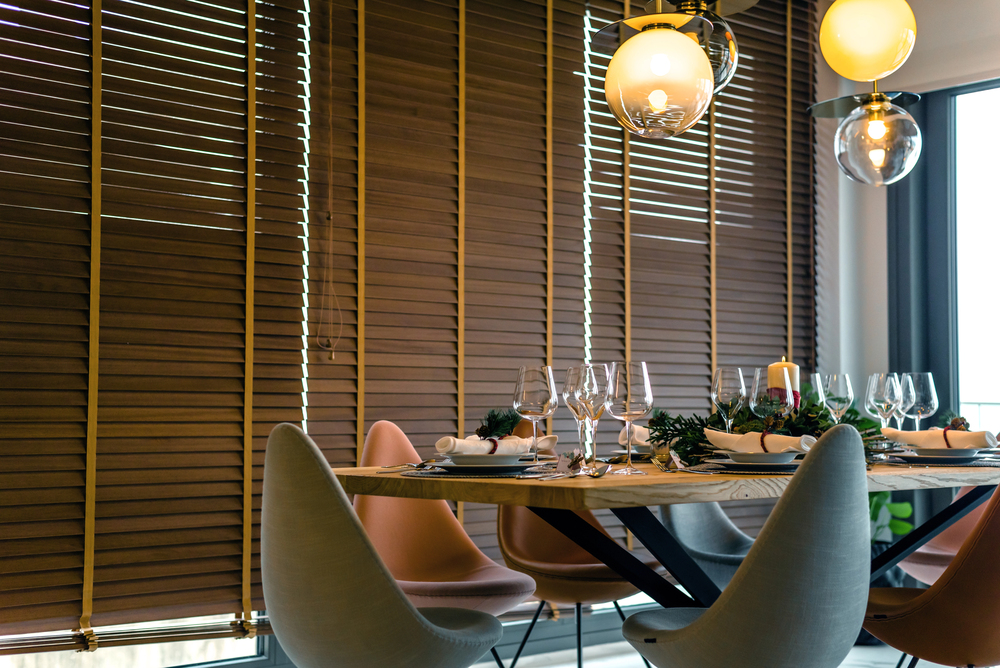
Restaurant table design trends for 2025 show how seating can shape the mood of a dining room. You will see styles that blend beauty with toughness and comfort.
At RestaurantPatioFurniture.com, we guide you to choices that fit your theme and hold up under real use. A well-chosen table can welcome guests, last for years, and help your space stand out in a busy market.
Natural Materials and Organic Shapes
Wood and stone tops bring warmth and a human touch to dining areas. Reclaimed wood tables with live edges look unique and tell a story of past life. Stone slabs cut into soft curves add elegance and resist daily wear. Rounded corners and irregular outlines feel friendlier than sharp rectangles.
When you choose natural grains and textures, you create a connection between the meal and the environment that guests notice right away. These tables also age with character as finishes mellow over time and develop a soft patina that speaks of many shared meals.
Bold Colors and Textures
Tables no longer must hide in the background. Deep blues, rich greens, and warm terracottas make a statement. Matte finishes absorb light and feel modern, while glossy surfaces reflect lamps and candles for added drama. Textured tabletops with gentle ridges or inlaid patterns catch the eye and reward touch.
Color acts as a wayfinding tool, too. It can guide guests through different zones in a large space. You can link table hues to menu themes or seasonal décor for a cohesive look that feels planned but never stiff. These bold choices invite social media shares and give your restaurant fresh energy.
Mixed Materials
Pairing materials gives tables a fresh personality. A solid wood top on sleek metal legs merges comfort with industrial flair. Glass inserts set into a stone surface add lightness and allow under-table lighting to glow.
Concrete tops with wooden rims balance raw and refined. This blend of elements can tie into other design features like metal chairs or wooden beams overhead. When you mix materials thoughtfully, you create harmony across the room and let each piece play off the others without fighting for attention. This approach also spreads wear across materials, so dents or scratches become part of the design story.
Sustainable and Durable Options
Eco-friendly tables win fans among guests who value green choices. Bamboo tops regrow quickly and resist moisture better than some woods. Recycled plastic lumber offers the look of wood without cutting trees. Powder-coated steel bases last through heavy use and wipe clean in seconds.
Durability lowers replacement costs and cuts waste over time. Guests feel good sitting on furniture that matches their values. You show care for the planet and quality in one move. Choosing tough finishes and sturdy joinery means tables stay true to their shape and your investment pays off.
Customizable Features
Adjustable height tables let you shift from bar height to standard seating in seconds. Drop-in trays or removable leaves adapt a two-top into a four-top as needed. Built-in charging ports and wireless charging pads answer the demand for power on the go.
Integrated planter boxes or modular rails let you add greenery or signage. When you pick tables with flexible features, you keep service smooth and give guests little extras that brighten their visit. You can tweak layouts daily to match crowd size or event style without buying new furniture.
Finish Details and Edge Profiles
The edges of a table naturally receive more contact than its center. Softly rounded edges are gentle on arms and more resilient to bumps. Eased edges highlight the wood grain, while square edges convey a modern look. Live bark edges offer an artisanal touch, perfect for rustic styles.
Finishes range from raw oil that darkens with age to tough UV-cured varnish that shines like glass. Your choice of edge and finish ties the tabletop to your lighting, flooring, and seating for a unified feel that lasts. Careful sanding and sealing at the edges keep spills from creeping into joints.
Statement Bases
Bases are no longer hidden supports. Sculptural metal pedestals shift shape from narrow at the floor to wide under the top, creating visual interest. Crossed wooden legs evoke a craftsman style. Four slim columns recall mid-century modern design. Even the color of the base can pop against a neutral top.
A well-chosen base lifts the entire table design and can become a signature element that guests remark on. Tables with weighted bases stay stable during lively service and make cleanup easier by allowing staff to slide chairs smoothly.
Textile and Surface Patterns
Printed patterns on laminate or resin tops bring art into everyday use. Marble veining, terrazzo speckles, or geometric motifs transform a simple table into a conversation starter. Textiles under glass protect fabric patterns while adding softness. Leather inlays set into wood offer warmth and patina over time.
Patterned surfaces hide crumbs and wear better than solid colors. They let you weave brand colors or local art into functional furniture. When you choose a graphic tabletop, you turn each meal into a mini exhibition of your style.
Lighting Integration
Tables with built-in LED strips under the edge or within the base cast a soft glow on the floor. Backlit resin tops let patterns shine from beneath. Candle holders or recessed fixtures in the center create pools of light for intimate seating.
When you tie lighting into table design, you control the mood at each seat. Guests feel welcomed by gentle illumination that frames their meal without glare. Lighting can also highlight textures and colors on the tabletop, adding depth to the dining scene after dark.
Cultural and Regional Inspirations
Designs inspired by local culture add authenticity to a restaurant. In coastal areas, driftwood tables with shell inlays reflect seaside roots. Southwestern motifs carved into wood recall desert landscapes. Tables built from reclaimed barn wood bring farm country character to urban spaces wanting a home-style feel.
You connect guests to a place through patterns and materials they sense at sight and touch. This approach turns tables into storytellers that speak of community and heritage with every meal served to them.
Regional stone inlays, hand-painted tiles, or woven fiber accents deepen that sense of place. Each table becomes a cultural snapshot that sparks conversation and loyalty.
Technology Integration
Smart tables are emerging as a trend in tech-savvy restaurants. Some designs embed wireless charging coils beneath a protective surface so guests can top up their phones without clutter. Interactive touch panels set into glass let customers browse menus or pay without leaving their seats. NFC tags built into corners trigger digital content on guest devices, like wine pairings or chef videos.
You make the table part of the service team by adding these features and delight guests who expect a blend of physical comfort and digital ease. Tables with built-in reservation lights or service call buttons speed up attention. These tech touches create a seamless link between hospitality and innovation.
Outdoor and Patio Table Trends
Outdoor dining continues to grow, and tables adapt to sun and rain. Materials like powder-coated aluminum and synthetic wicker resist rust and mold. Slatted tops let water drain while maintaining a solid surface for dishes. Umbrella-ready tables with reinforced center fittings let you add shade without wobble.
Portable tables on lockable casters let you shift seating to follow the sun or shade. Outdoor tables now match indoor style, so your patio feels like an extension of the dining room rather than an afterthought. Weatherproof finishes in muted or bright tones tie into your brand palette.
Modular and Flexible Layouts
Restaurants must adjust their seating for events and busy hours. Modular tables with interlocking edges allow for seamless configuration into longer banquets or can be split into smaller tables for intimate dining. Hidden folding mechanisms enable quick transitions. Meanwhile, stackable tops and nesting bases help save space when the floor is cleared for dancing or presentations.
This flexibility means you can host a private party one night and a full dining service the next without heavy lifting or new furniture purchases. Mobile partition panels that clip onto tables create private nooks on demand. Quick-release clamps simplify reconfiguration and keep staff moving.
Ergonomic and Comfort Focus
Comfort shapes how long guests stay and how happy they feel. Table height now pairs with chair seat height for better posture. Foot rails built into bases give guests a place to rest their legs. Rounded edges and smooth corners avoid pressure points on arms.
Textured surfaces under wrists reduce the slipping of hands and plates. Designing tables with human scale in mind leads to less fatigue for diners and staff who clear and reset seats many times a day. Gentle angle transitions on tabletops support natural wrist position. Thoughtful spacing between tables and seating prevents crowding and improves overall comfort.
Artisan and Local Craftsmanship
Hand-built tables by local woodworkers or metal smiths add unique character to a space. Subtle tool marks or hand-rubbed finishes tell guests that each piece is unique. Working with artisans lets you select unusual wood species or metal alloys and try new joinery techniques.
This local touch ties your restaurant to community makers and gives guests a sense of place. Artisan tables often come with repair services from the maker, so you can refresh them rather than replace them.
Seasonal and Thematic Adaptability
Seasonal overlays let you shift a table from spring pastels to autumn warmth without new furniture. Removable center panels with printed scenes change the mood for holidays or special menus. Tables with planter inserts let you swap fresh herbs or flowers each week.
Thematic wraps around legs and apron areas can transform a basic top into a carnival or garden party setting. This adaptability extends the life of core tables and keeps décor feeling fresh for repeat guests.
Color Zoning and Visual Flow
Using table color to zone large spaces guides guest flow without barriers. Light-toned tables in lounge areas signal relaxation while darker tops in main dining zones feel formal.
A strip of vibrant color tables near the bar draws attention to happy hour crowds. Matching table hues to floor patterns or ceiling treatments creates visual pathways that lead guests from entry to seating to service stations. This subtle tool helps guests feel oriented and comfortable in any part of your restaurant.
Tech Forward Surfaces
New surface materials embed sensors that track temperature and spills in real-time. These tables can alert staff when a plate is too hot or when a guest is done eating. Some surfaces reject bacterial growth without chemicals by using microscopic surface patterns.
Others integrate antimicrobial minerals that last the life of the top. With tech-forward surfaces, you add health and efficiency benefits that guests may not see but will certainly feel in the form of faster service and cleaner tables.
Health and Safety Features
Hygiene-focused design is more important than ever. Tables with built-in UV light modules under the top can disinfect surfaces between seatings. Water-resistant seams and sealed edges block crumbs and liquids from entering joints. Some tables include removable panels that go straight into a sanitizing machine.
You can choose finishes that tolerate hospital-grade cleaners without dulling. These health and safety features help you maintain high standards with less manual effort and give guests confidence in your care for their well-being.
Artistic Collaborations
Partnering with local artists to hand-paint or etch table surfaces creates one-of-a-kind pieces. Murals under glass tops or ceramic inlays crafted by potters turn tables into art installations. You can rotate the artist series every season to keep the look fresh and support community talent.
These collaborations attract guests who seek culture and originality. Each table becomes a talking point and can boost social media attention as diners share photos of unique artwork at their table.
Restaurant table design trends in 2025 blend style, comfort, and function to shape guest experiences from the first seat to the last bite. Natural materials, bold hues, mixed element,s and smart features let you tell your story through furniture. We carry tables that match these trends and your vision.
To explore pieces that fit your style and budget, contact us or visit our online shop.