
Restaurant Table Sizes: How To Choose The Right Fit For Your Space
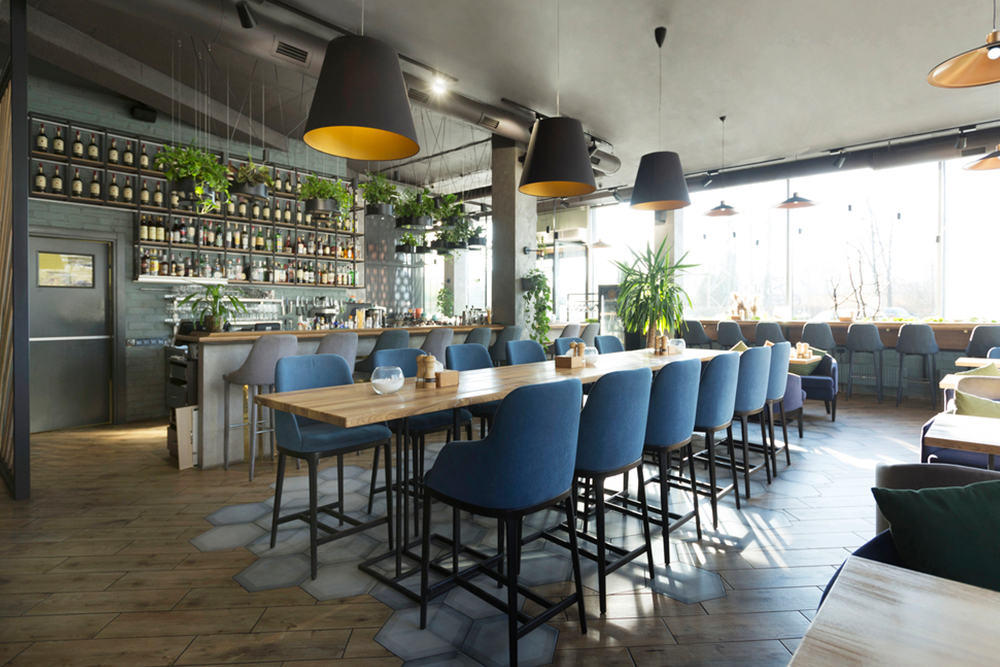
Selecting the right restaurant table size plays a crucial role in optimizing space and creating a comfortable dining experience. The right table layout supports smooth operations, encourages guest interaction, and contributes to the overall ambiance.
Whether you run a casual café or an upscale dining room, knowing how to choose the best restaurant table size can directly impact customer satisfaction and business efficiency.
Understanding Different Table Sizes
Restaurant tables come in a wide variety of sizes and shapes, each suited for different types of dining experiences. The most common restaurant table sizes are small, medium, and large, and choosing the right size depends on your restaurant’s space and your guests’ needs. Small tables typically seat two to four people. This makes them ideal for couples, solo diners, or quick-service meals.
Medium-sized tables can comfortably accommodate four to six people and are perfect for families or groups of friends. Larger tables are designed for bigger groups, typically seating six to eight guests or more. These tables are perfect for hosting family gatherings, group dinners, or special events.
When selecting restaurant table sizes, it’s also important to consider the layout of your space. Round tables are often used in smaller spaces or casual dining environments. Meanwhile, rectangular and square tables are more versatile and can be arranged in various configurations for larger areas.
Choosing the right table size is about maximizing seating while making sure guests have enough room to dine comfortably.
Determining the Right Table Size for Your Space
Choosing the right table size involves understanding both your available space and the flow of your restaurant. To avoid overcrowding, you’ll need to measure your dining area carefully before making any decisions.
In general, a good rule of thumb is to leave 36 to 48 inches of space between tables. This allows for enough room for guests to move in and out comfortably.
Larger tables need more space for optimal comfort, so be sure to leave extra room between tables when selecting bigger options. Additionally, consider the layout of your restaurant. If your space is narrow, opting for smaller tables and compact seating arrangements will help you fit more guests without making the area feel cramped.
Keep in mind that smaller tables are easier to move and rearrange, which is great for restaurants that experience fluctuations in guest numbers. If your restaurant is designed for casual dining or quick service, smaller tables may work well. Meanwhile, larger restaurants might benefit from a mix of small and medium-sized tables to create flexibility for different group sizes.
The Importance of Table Shape
Table shape plays a significant role in both the function and aesthetics of your restaurant. Round tables are great for intimate dining and can encourage conversation, as everyone at the table is positioned equally. These tables are ideal for smaller spaces or casual settings where guests may want to interact more.
On the other hand, rectangular tables are often more practical in terms of space and can be arranged in various ways to fit into different layouts. These tables are perfect for larger dining areas, as they can accommodate more guests and be arranged in a way that maximizes seating without overcrowding. Square tables, meanwhile, are typically used for smaller groups, seating four guests comfortably.
They can also be used in combination with other square or rectangular tables for more versatile seating arrangements. The choice of table shape should align with the ambiance you wish to create and the amount of space you have. When selecting a shape, think about how it will influence guest interactions and the overall flow of your restaurant.
Accommodating Different Group Sizes
To make sure that your restaurant can accommodate all types of dining experiences, it’s important to have a variety of table sizes that cater to different group sizes.
Small tables are ideal for solo diners or couples, offering a more intimate setting. Medium tables are best for families or small groups. They bring a balance of space and comfort without taking up too much room.
Larger tables are perfect for group dining, such as parties or special events, and they help create an inclusive atmosphere that encourages socializing. For restaurants that host large groups frequently, it might be worth considering tables that can be easily combined or rearranged. Modular or extendable tables are an excellent option, as they allow for quick adjustments based on the number of guests.
Additionally, consider offering a mix of booth seating and traditional tables to bring more seating variety. Booths are often preferred by guests who want more privacy and comfort, while traditional tables are more versatile and can accommodate varying group sizes.
Having a range of table sizes helps you cater to both small, intimate meals and larger group gatherings.
Flexibility and Versatility
Flexibility and versatility are important when selecting restaurant tables. You may want tables that can easily be rearranged for different dining situations. For instance, modular tables allow for easy combination and separation, enabling your restaurant to adapt to different party sizes.
Adjustable tables are another versatile option. They let you change the height or layout based on customer needs. Having a variety of table sizes and arrangements will allow you to cater to both intimate dinners and larger group gatherings without overcrowding your space.
Versatility in your table arrangements can also improve the flow of guests and staff. This will make your restaurant more efficient and enjoyable for everyone.
Materials and Durability
When selecting restaurant tables, the material is just as important as the size. You’ll want tables that are durable enough to withstand the wear and tear of a busy restaurant environment.
Popular materials include wood, metal, laminate, and stone. Wood is classic and adds warmth to the space, but it may require more maintenance.
Metal tables are often sleek and modern, with added durability – perfect for high-traffic areas. Laminate tables are an affordable option that is easy to clean. On the other hand, stone tables deliver a more luxurious look and durability. Choosing the right material will depend on your restaurant’s style and the level of maintenance you’re willing to put into your furniture.
Maximizing Efficiency with Table Size
Choosing the right table size goes beyond aesthetics; it also impacts the efficiency of your restaurant. The right table size allows for better use of your restaurant’s square footage.
Smaller tables allow for more flexibility and seating arrangements, but may feel cramped if your space is too small. Larger tables bring comfort and are great for group dining, but they can take up a lot of space in a small restaurant.
Think about your customer traffic and make sure to choose tables that support the kind of service you offer. For instance, fast-casual restaurants might benefit from smaller tables that can accommodate more guests quickly, while fine dining restaurants may prefer larger tables to create a more luxurious atmosphere.
Choosing the Right Restaurant Tables for Your Business
When choosing the right restaurant table size, consider your restaurant’s specific needs. Think about the type of dining experience you want to create, the layout of your space, and the needs of your guests.
At Restaurant Patio Furniture, we offer a variety of high-quality, durable tables in various sizes and materials to suit your restaurant’s unique requirements.
Our restaurant tables are designed to be both functional and stylish, helping you create a comfortable, welcoming environment for your customers. Let us help you choose the perfect tables to meet your space and design needs, while enhancing the overall dining experience for your guests.